

Learn what stress urinary incontinence is, including who it affects, its common symptoms and causes, and how it is diagnosed. You’ll also find information on treatment options including pelvic floor exercise and lifestyle changes. Plus, get advice on when to seek medical help and how to prepare for your first GP appointment.
Note to readers: According to research from AgeUK, the word “pee” is generally preferred, so we’ve used it consistently throughout this page.
What is stress incontinence?
Stress incontinence (also known as stress urinary incontinence, or SUI) is a type of urinary incontinence that causes leaks when your bladder is under pressure. This can happen during exercise, coughing, sneezing, jumping or laughing.
Men and women can get stress incontinence, but it is more common in women. Stress incontinence is actually the most common type of incontinence for women.
This increased risk is likely due to various biological factors, such as childbirth, menopause and pregnancy. Roughly 1 in 3 women experience urinary incontinence in the 3 months after pregnancy.1
Stress incontinence symptoms
Leaking is the main symptom of stress incontinence. The leaks from stress incontinence are involuntary which can have a big impact on your daily life and emotional wellbeing.
If you have stress incontinence, you may experience small to moderate leaks during activities that put pressure on your bladder. These activities include:
Coughing, laughing or sneezing
Lifting heavy objects, running or jumping
Having sex

What causes stress incontinence?
The main causes of stress incontinence is the weakening of your pelvic floor muscles or urinary sphincter (a ring of muscle around the urethra that supports the flow of pee).
This could be for a variety of reasons, and differs between men and women.
Some factors can increase the chance of developing stress incontinence:
Ageing
Menopause and the reduction of estrogen
Nerve damage
Childbirth and pregnancy
Prostate surgery or treatment for prostate-related conditions
Pelvic surgery, such as a hysterectomy
High-impact exercise, such as running or heavy weight lifting
Being overweight
Stress incontinence diagnosis
There are a few steps to get a diagnosis of stress incontinence. It often involves completing a bladder diary and speaking to your GP. Your GP may then refer you for more specialist tests to get a concrete diagnosis.
Bladder diary
If you suspect you have stress incontinence, we recommend firstly filling out a bladder diary. A bladder diary helps you document your fluid intake, your symptoms and how often you have a leak. Fill this out for three days in a row before you speak with your GP to provide them with an up-to-date insight into your urinary patterns.
A completed bladder diary will contain helpful information for your healthcare professional. They will be able to see how frequent your symptoms present and any patterns, helping them to understand your condition better. They may also be able to identify potential triggers for your symptoms, which can help with finding the right treatment and management options.
GP appointment
A GP is usually the first healthcare professional to speak to about your condition. At your initial appointment, your GP is likely to ask questions about your medical history, existing conditions and any medication you’re taking. Your GP may also ask some questions about the leaks you are having, including when they occur and how big they tend to be.
You may also be physically examined during your appointment. This could be an examination of your pelvic area (vaginal for women, prostate for men), or your tummy.
A cough stress test shows if any leaks occur when you cough hard with a full bladder. A cough places pressure on your bladder, so if a leak does occur, it could be mean you have stress incontinence.
Specialist tests
Your GP may also refer you for some more specialist tests if they can’t provide a diagnosis. You may have a bladder scan to see how much pee is left in your bladder after you have been to the toilet. Another option is a dipstick test. This is where a dipstick is dipped into a sample of your pee. The tests aims to detect any abnormalities, bacteria, blood and protein.
Your healthcare professional may suggest a treatment option before doing specialist tests. If the advice and treatment option suggested doesn’t work, more tests may be needed.
Stress incontinence treatment
There is no set, ‘one size fits all’ treatment when it comes to stress urinary incontinence. Your healthcare professional will consider a variety of factors when giving a treatment option. Your advice will be tailored to the severity of your condition, age, medical history and your triggers.
Pelvic floor / kegel exercises
Pelvic floor exercises (also known as kegel exercises) are often the first treatment recommended for stress urinary incontinence.
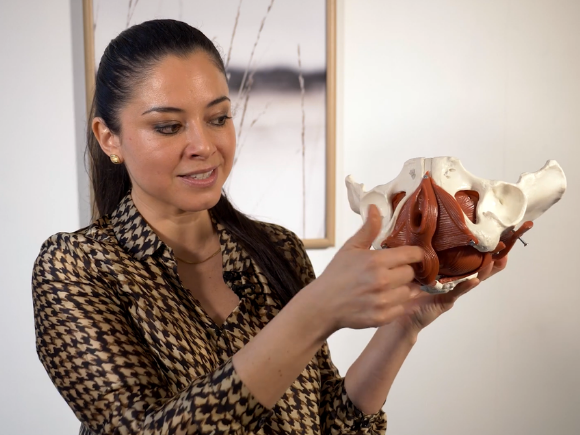
The pelvic floor muscles play a vital role in bladder control. By doing pelvic floor exercises regularly and consistently, you can strengthen these muscles over time, which can help improve your symptoms.
As your pelvic floor muscles become stronger, they provide better support for your bladder and urethra. This makes it easier for your bladder to cope with pressure from activities like coughing, sneezing or laughing. As a result, leaks may become less frequent and easier to manage.
In this video, Physiotherapist, Natalia Vasquez demonstrates pelvic floor exercises for women, and how to progress safely and effectively.
We have teamed up with Physiotherapists, Gerard Greene, and Natalia Vasquez to bring you free pelvic floor exercise guides for men and women.
Download your copy and try these routines within the comfort of your own home.
Lifestyle changes
Simple changes to your daily routine and lifestyle can improve symptoms of stress incontinence. To help to reduce bladder pressure or irritation, your healthcare professional may suggest:
Losing any excess weight
Limiting bladder irritants in your diet, such as drinks that contain caffeine (tea, herbal teas and coffee)
Stopping, or cutting down smoking
Eating a healthy, varied diet to reduce the risk of constipation
Medication and surgery
Medication and surgery are usually the last resort when it comes to treating stress incontinence. They are usually only offered if pelvic floor exercise and lifestyle changes have been ineffective.
You could be prescribed Duloxetine or topical estrogen to help with stress incontinence symptoms. Duloxetine works by increasing the tone of muscle in your urethral sphincter. Topical estrogen may be prescribed if you are a woman who has been through menopause. A topical estrogen helps strengthen the tissues in the urethra and vagina.
A urethral bulking agent is another treatment option available to women. This works by increasing the size of the urethral wall to reduce the risk of leaks when pressure is placed on the bladder.
When to seek help
If you are experiencing frequent leaks that aren’t improving with pelvic floor exercise, it’s important to speak with your GP.
You should also visit your GP if your symptoms are affecting your emotional wellbeing or daily life. Remember, there is nothing to be embarrassed about. Millions of people in the UK suffer with incontinence issues – you are not alone.
Many people with stress incontinence notice a positive difference to their symptoms with simple lifestyle changes, or pelvic floor exercises. These are both steps you can take independently, and in the comfort of your own home.

Key takeaways
The main symptom of stress incontinence is leaking, and leaking during activities that put pressure on your bladder, e.g. jumping, laughing or coughing
Stress incontinence is more common in men than women, mainly because of biological factors like pregnancy and childbirth that increase your risk
Completing a bladder diary is a good first step to understanding your symptoms and triggers
To get a diagnosis of incontinence, your GP may do a physical examination, urine sample, a cough test or refer you to have more specialist tests
The main treatments for stress incontinence are pelvic floor (kegel) exercises, and lifestyle changes
Speak to a healthcare professional if your symptoms aren’t improving, or if they are affecting your emotional wellbeing, or daily routine
Frequently asked questions
There is no ‘best’ treatment as this will depend on your individual triggers. The most commonly used treatment method is pelvic floor (kegel) exercises to help strengthen your pelvic floor and reduce the risk of leaks.
Lifestyle changes are also recommended often by healthcare professionals. This could be cutting down on bladder irritants, such as caffeine, or losing excess weight to avoid added pressure on your bladder.
It’s important to speak to a healthcare professional to find a treatment method that will work for you and your needs.
Stress urinary incontinence and overactive bladder (OAB) are two types of bladder issues.
Stress incontinence occurs when your pelvic floor muscles, or urinary sphincter become weak. Overactive bladder on the other hand is caused by bladder muscles contracting involuntarily.
A symptom both of these conditions share is leakage, but that occurs for different reasons.
If you have overactive bladder, your leaks will be caused by a sudden, strong urge to pee which can make it difficult to reach the toilet in time. However, leaks when you have stress incontinence are caused when pressure is placed on the bladder, e.g. from laughing or coughing.
Symptoms of stress incontinence can be cured or improved. How soon your symptoms will improve or go away depends on how serious your condition is, and how well your body responds to first line treatments like pelvic floor exercises.
References
- GOV.UK, National Pelvic Health Service to Support Women [Website]: https://www.gov.uk/government/news/national-pelvic-health-service-to-support-women (Accessed 12 August 2026)
Support and resources
Find lots of helpful tips for living with incontinence in our resource library.

Nutrition guide
Written with dietitian Ruth Kander, get recipe ideas, tips for a healthy bladder and advice on bladder irritants.
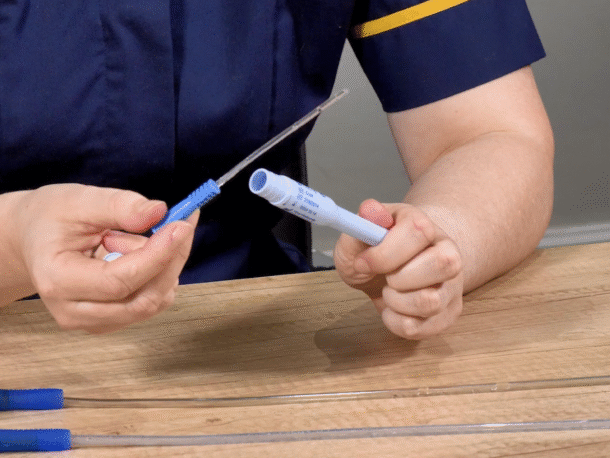
What is self-catheterisation
Understand the types of intermittent self-catheters, how to choose the right catheter length and tips for living with self-catheterisation.

Bladder diary
Track daily activities, fluid intake and bathroom visits with our free downloadable bladder diary.

Hydration guide
Learn how much fluid your body needs, spot the signs of dehydration and check your hydration levels using our pee colour chart.