



Ulcerative colitis is a lifelong condition that can have a huge impact on physical and emotional wellbeing. In this page we will explore the symptoms of the condition, potential causes and the four different types of ulcerative colitis. We will also highlight when to seek help and the available methods to help you manage your condition and symptoms.
Note to readers: According to research from the NHS, the words “bottom” and “poo” are generally preferred, so we’ve used these consistently throughout this page.
What is ulcerative colitis?
Ulcerative colitis (UC) is a type of inflammatory bowel disease (IBD) that causes inflammation and ulcers in the lining of the colon (large intestine) and rectum.
Common symptoms include diarrhoea, an urgent need to use the toilet, tummy pain, fatigue, and unexplained weight loss. Symptoms can come and go, with periods of flare-ups (where your symptoms come back) and remission (showing no symptoms).
Getting diagnosed with ulcerative colitis can be complex, so it’s important to seek help if you are showing symptoms.
According to Crohn’s and Colitis UK, at least one in every 233 people in the UK live with ulcerative colitis1.
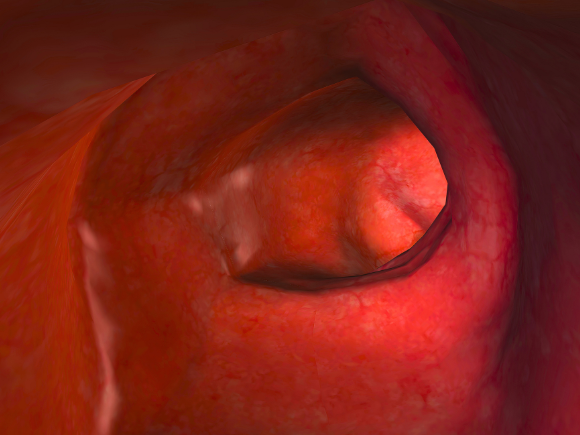
A healthy large intestine
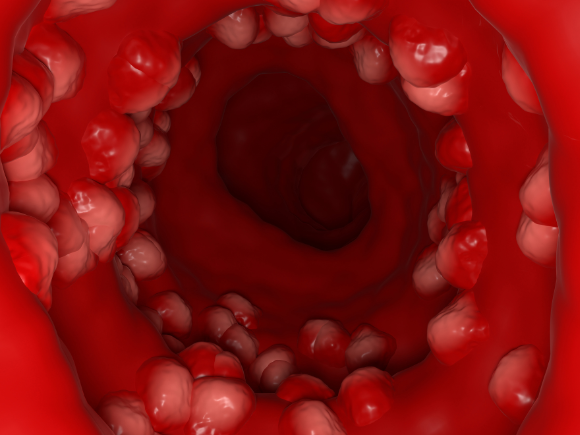
Ulcerative colitis
Who does ulcerative colitis affect?
Ulcerative colitis can affect anyone at any age and affects men and women equally. Most people are diagnosed with the condition between the ages of 20 and 40. Some people have a higher chance of getting ulcerative colitis. This includes white European people (especially those with Ashkenazi Jewish heritage) and black people. The condition is less common in Asian people.
You are at a higher risk of getting ulcerative colitis if you have a close family member with the condition. According to Crohn’s and Colitis UK, if one parent has colitis, around 3 in 100 children may develop it. If both parents have it, this increases to around 30 in 1001.
Ulcerative colitis symptoms
Symptoms and manifestations of ulcerative colitis can be grouped into two categories – intestinal (gut-related) and extra-intestinal (outside of the gut).
Symptoms of ulcerative colitis are generally the same in men and women, however there may be challenges unique for women. Ulcerative colitis can impact on fertility for women and poses a higher risk of anaemia. Symptoms for women can become worse during menstruation.
The symptoms you experience can vary in severity depending on how inflamed the large intestine and the rectum are.
Gut-related symptoms
Frequent diarrhoea (poo that is looser than usual) that may contain blood, mucus or pus
Tummy pain
Fatigue (extreme tiredness)
Needing to poo more frequently
Weight loss and loss of appetite
Symptoms outside of the gut
Joint pain
Skin conditions like erythema nodosum (painful red or purple lumps on the skin)
Anaemia and vitamin deficiencies
Mouth ulcers
Eye irritation, including sensitivity, redness and blurred vision
Rosie's ulcerative colitis symptoms
Model and ostomate, Rosie (@rosie_fb) shares her experience of developing ulcerative colitis symptoms, from what first seemed like a stomach bug to a life-changing diagnosis.
In this video, Rosie talks about the early symptoms of ulcerative colitis, the impact they had on her daily life, and the challenges she faced before receiving a diagnosis.
View video transcript +–
My symptoms felt like they came out of nowhere. One day, I woke up with a stomach bug. This stomach bug didn’t present as vomiting, but rather loose stools.
I left it for a few weeks to see how this improves, but after continuing the symptoms, I went to my GP. They told me that it was quite normal, that stomach bugs could last a long time, and that I should go on my summer holiday and enjoy myself.
However, whilst away on holiday, my symptoms increased. I was going to the loo around seven times a day. I had started to experience lower abdominal cramping, which was quickly followed by needing the toilet, and I ‘d even found blood in my stools.
When I returned from my holiday, I went back to the GP, but they prescribed me with peppermint capsules and sent me on my way.
Over the next three months, I would visit my GP and A&E a total of seven times. Each time I visited, my symptoms had gotten worse, and every time they sent me away again.
However, three months after my symptoms first appeared, I had reached the point where I had lost a huge amount of weight. I was going to the loo 25 times a day, I had constant abdominal cramping, and I was so tired that I was considering leaving my university course and I had also stopped dancing altogether.

Ulcerative colitis flare-up
Symptoms of ulcerative colitis often come and go. You may have long periods of remission where you aren’t showing symptoms and then you have a flare-up (when your symptoms return or worsen).
You may be having a flare-up if you have frequent bloody diarrhoea, urgency to use the toilet, tummy pain, or extreme tiredness.
Some symptoms may mean you’re having a more severe flare-up or a complication. You should seek advice from a healthcare professional if you experience any of the following symptoms:
Severe tummy pain
Very frequent diarrhoea (especially at night or more than usual for you)
Passing large amounts of blood
A high temperature (fever)

Types of ulcerative colitis
The type of ulcerative colitis you have is based on how much of your large intestine is affected and which part is inflamed. There are four main types of ulcerative colitis:
Proctitis
This type of colitis is where only the rectum (the end of the large intestine) is inflamed. The rest of the colon functions properly and isn’t affected. If you have proctitis, you may experience blood or mucus in your poo, bleeding from your bottom, diarrhoea or constipation and feeling like you need to poo even when your bowels (intestines) are empty.
Proctosigmoiditis
Proctosigmoiditis affects the rectum (the end of the large intestine) and the sigmoid colon (the lower part of the large intestine). Common symptoms of this type of colitis are diarrhoea containing blood and pain in your tummy and cramping. You may also feel like you need to poo even when your bowels (intestines) are empty.
Left-sided colitis (also called distal colitis)
Left-sided colitis is where the rectum (the end of the large intestine) up to the descending colon (the left side of the large intestine) is inflamed. If you have left-sided colitis, you may experience frequent diarrhoea with blood and mucus and pain in the left side of your tummy. You may also feel like you need to poo urgently even when your bowels (intestines) are empty.
Total colitis (also called pancolitis or extensive colitis)
If you have total colitis, the whole of your large intestine will be affected by inflammation. This is a severe type of ulcerative colitis. Common symptoms of total colitis are severe, frequent diarrhoea, fever, weight loss, fatigue, tummy pain and bleeding.
What causes ulcerative colitis?
Ulcerative colitis is an idiopathic condition (meaning there is no known cause). We know that ulcerative colitis is an autoimmune condition – where the immune system (the body’s defence from bacteria and viruses) stops functioning properly and attacks healthy cells, tissue and organs. However, it is not known what causes the body to act in this way.
Some people theorise that it is caused by a combination of factors, including:

Bacteria
Stress

Certain medication

Genetics
Ulcerative colitis versus Crohn’s disease
Ulcerative colitis (UC) is very similar to Crohn’s disease. They are both forms of inflammatory bowel disease (IBD) and it can be difficult to tell them apart early on. As many as one in 10 people with UC will have their diagnosis changed to Crohn’s disease or Inflammatory Bowel Disease Unclassified (IBDU) in the first five years1.
Ulcerative colitis and Crohn’s disease affect the digestive system in different ways. The table below highlights the key differences.
| Ulcerative colitis | Crohn’s disease | |
|---|---|---|
| Symptoms | • Frequent, reoccuring diarrhoea containing blood or mucus • Pain in your tummy • Urgent need to poo • Extreme tiredness • Unintended weight loss | • Diarrhoea (not always bloody) • Pain in your tummy • Unintended weight loss • Extreme tiredness |
| Affected area | • Ulcerative colitis can affect the large intestine and the rectum. | • Crohn’s disease can affect anywhere in the digestive tract. This could include the small intestine, large intestine, stomach or mouth. |
| Diagnosis | • Colonoscopy • Stool tests • Blood tests | • Endoscopy/colonoscopy • Imaging (MRI or CT scan) • Stool and blood tests |
| Treatment | • Anti-inflammatory medicines (e.g. aminosalicylates) • Steroids • Surgery | • Steroids • Immunosuppressants • Surgery |
How is ulcerative colitis diagnosed?
Getting diagnosed with ulcerative colitis can be difficult. There are other conditions with very similar symptoms, such as Crohn’s disease. Your healthcare professional may need to do multiple tests to give you an accurate diagnosis.
Getting diagnosed with ulcerative colitis starts with speaking to your GP. During your appointment they will ask questions to understand your symptoms, medical history and your overall health. They may also collect a sample of your poo, carry out blood tests or examine your tummy.
If your GP thinks you have ulcerative colitis, they may refer you to have more specialist tests like a CT scan or X-ray which can examine your colon and rectum.
You may be referred to hospital for more tests, like a sigmoidoscopy or colonoscopy. A sigmoidoscopy uses a thin tube with a camera, placed gently into the bottom, to check for inflammation. If more of the bowel needs checking, a colonoscopy may be done. This is where a thin tube with a camera is inserted into the bottom to examine the entire large intestine.
How Rosie was diagnosed with ulcerative colitis
After months of worsening ulcerative colitis symptoms, Rosie was finally admitted to hospital and received a diagnosis.
In this video, Rosie shares her experience of living with severe symptoms, undergoing medical investigations, and learning that she had ulcerative colitis. She explains how blood tests, a flexi sigmoidoscopy and biopsies helped doctors confirm her diagnosis, and why urgent treatment was needed.
View video transcript +–
When it reached the point that it was difficult for me to walk or even drive without being in chronic pain, my dad took me back to the GP and insisted that they send me to A&E with a request to see a gastroenterologist.
This time, they listened. In the majors department, a consultant came to see me, he very quickly admitted me to hospital. They took blood tests, which showed a really high inflammatory marker in my blood.
They decided that they would have to do a colonoscopy to check my large intestine. However, during the treatment room, it became clear that a colonoscopy was going to be too dangerous because of the condition of my large intestine. Instead, they did a flexi sigmoid colonoscopy.
They took biopsies, and the next day the gastroenterologist came to find me and told me that they had confirmed ulcerative colitis, a very severe case of ulcerative colitis, that if I had continued to walk around with, my risk of bowel perforation would have been extremely high.

Ulcerative colitis treatment
Treatment for ulcerative colitis focuses more on management, aiming to reduce symptoms and improve quality of life. Currently there is no cure for the condition.
There is no one size fits all when it comes to treating ulcerative colitis, this will depend on how severe your condition is. Treatment methods can impact people differently, that’s why it’s important to take the time to find what works best for you. A healthcare professional may offer:
Medication
If you have a flare-up (where your symptoms come back), you may be prescribed medication to help. If you have mild to moderate ulcerative colitis, you may be offered aminosalicylates (anti-inflammatory medication, or ASAs). These medications reduce inflammation and can be taken orally or inserted into your bottom. If your condition is mild to severe, you may be offered steroids to manage your symptoms, although these can’t be taken on a long-term basis. Longer term treatment may include ASAs, or immunosuppressants which prevent your immune system from attacking healthy cells.
Ulcerative colitis and a stoma
Surgery is usually offered as a last resort if your symptoms aren’t improving after medication. Your healthcare professional will discuss whether surgery is the right option for you. Recent studies estimate that around 7 in 100 people with colitis will need major surgery to remove their colon in the first five years after diagnosis.2
The most common surgery is to remove part of or all of your large intestine. If you do have a lot of your large intestine removed, you may need to have a stoma formed. Your stoma could be either temporary or permanent. People with ulcerative colitis that need a stoma usually have an ileostomy (an opening at the end of the small intestine).
After surgery, you will need a stoma bag to direct output (either pee or pee) out of the body into a bag. There are a lot of different pouch options so you may want to request product samples to help you find choose the right stoma bag.
At CliniMed, we offer a range of Aura Plus stoma bags in various colours, convexities and sizes.

Living with ulcerative colitis
Living with ulcerative colitis can feel unpredictable. You may be in remission (showing no symptoms) for a while and they can suddenly reappear unexpectedly (a flare up).
This can impact your emotional wellbeing an overall quality of life, with feelings of stress and anxiety being common. After your diagnosis, you may be recommended to follow a balanced diet to help you manage your symptoms which can also be a tough adjustment.
If you are living with ulcerative colitis, you are not alone and support is available. Local charities like Crohn’s and Colitis UK can provide tips and advice to help you navigate life after your diagnosis.

When to seek medical help
It’s really important to detect ulcerative colitis early so you receive an diagnosis and treatment options that work for you. Diagnosis for ulcerative colitis can take time and symptoms can have a big impact on your physical and emotional wellbeing. In the UK, more than a quarter of people with colitis are waiting over a year from first symptoms to diagnosis.3
Speak to your GP if you are experiencing:
Frequent diarrhoea or diarrhoea containing blood or mucus
Extreme tiredness or unexplained weight loss
A frequent and urgent need to have a poo
Pain in your tummy
Rosie's advice on seeking help
In this video, Rosie shares why it’s so important to advocate for yourself if you experience symptoms of ulcerative colitis. These symptoms include abdominal cramping, blood in your poo, weight loss, fatigue, or increased trips to the toilet.
She reflects on her own experience of seeking help and explains how speaking up can help you get the care and support you need.
View video transcript +–
If you are experiencing fatigue, weight loss, increased trips to the toilet to pass stool, blood in your stools, and abdominal cramping, it’s really really important that you advocate for yourself. Take yourself to the GP and insist that they run further tests to prevent yourself from reaching the stage that I reached.
Luckily for me now, I have been a very very happy ostomate. I’ve had my stoma for nearly 15 years, and my ulcerative colitis symptoms are incredibly manageable, and I don’t take any medication, and I haven’t done for the last 12 years.
Key takeaways
Ulcerative colitis is an autoimmune condition and a form of Inflammatory Bowel Disease (IBD)
Ulcerative colitis can affect anyone of any age, with most people being diagnosed between the ages of 20 and 40
Common symptoms of ulcerative colitis include: recurring diarrhoea, tummy pain, fatigue and a frequent need to poo
There are four main types of ulcerative colitis: proctitis, proctosigmoiditis, Left-sided colitis/distal colitis and total colitis/pancolitis
It is unknown what causes ulcerative colitis but some people believe it is a combination of genetic and environmental factors
Diagnosis for ulcerative colitis starts with your GP and then includes specialist tests with a referral to a hospital
There is no cure for the condition so treatment focuses more on managing symptoms and improving quality of life
Frequently asked questions
Currently there is no cure for ulcerative colitis. The treatment you are given will help to reduce your symptoms and improve quality of life rather than cure the condition.
After being diagnosed with ulcerative colitis, most people are encouraged to eat a varied, healthy diet. There is no set ‘worst’ food as food can impact people differently. Generally, food that increase gas and trigger diarrheoa should be monitored and had in moderation.
Tip – keeping a food diary will help you identify foods that can trigger your symptoms. It is recommended to introduce new foods into your diet gradually and monitor their affect.
Yes, ulcerative colitis is considered an invisible disability. If your condition meets the long-term impact criteria, you can be eligible for disability benefit in the UK, such as Personal Independence Payment (PIP).
There have been studies that show an increased risk of ulcerative colitis if a close family member has the condition. However, ulcerative colitis is not considered a genetic condition. The exact cause of the condition is unknown but it is thought to be caused by a variety of factors.
Yes, ulcerative colitis is an autoimmune disease. The condition causes the immune system to attack healthy tissue in the rectum and large intestine.
References
- Crohn’s and Colitis UK, Understanding Colitis [website] https://www.crohnsandcolitis.org.uk/info-support/information-about-crohns-and-colitis/all-information-about-crohns-and-colitis/understanding-crohns-and-colitis/ulcerative-colitis (Accessed 1 May 2026)
- Chron’s and Colitis UK, Surgery for Ulcerative Colitis [website] https://www.crohnsandcolitis.org.uk/info-support/information-about-crohns-and-colitis/all-information-about-crohns-and-colitis/surgery-and-complications/surgery-for-ulcerative-colitis (Accessed 29 May 2026)
- Crohn’s and Colitis UK, New Study Shows Delayed Diagnosis of Inflammatory Bowel Disease is Linked to Worse Clinical Outcomes [website] https://www.crohnsandcolitis.org.uk/news-stories/news-items/new-study-shows-delayed-diagnosis-of-inflammatory-bowel-disease-is-linked-to-worse-clinical-outcomes (Accessed 1 May 2026)
Images purchased via Shutterstock: 2331808683, 2495827909.
Further reading

Stoma surgery
Whether emergency or planned find information on what to expect from stoma surgery.
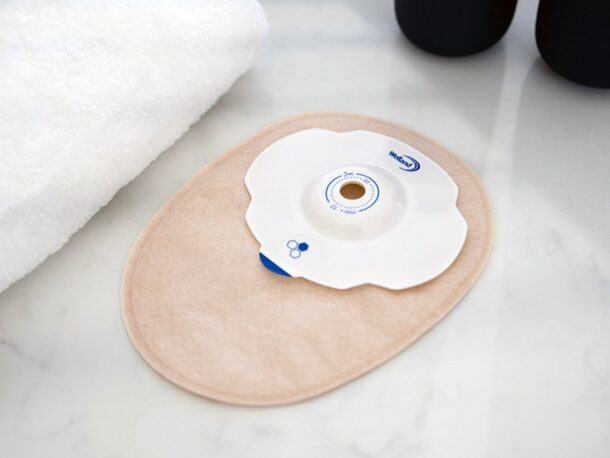
What is a stoma bag?
Find information on what a stoma bag is, how they work and what the different types are used for.

How to choose the right stoma bag
There are a wide variety of stoma bags available, find out which one could work for you.

Living with a stoma
From diet to relationships find information and advice about living to the fullest with a stoma.