Skip to content

What is self-catheterisation

Self-catheterisation, also known as intermittent self-catheterisation (ISC), is a safe and effective way to empty your bladder when it isn’t working as it should. It involves gently inserting a catheter into the bladder to drain pee, helping to prevent discomfort, infections and long-term complications.

This page explains what self-catheterisation is, why it’s used, the different types of catheters available, and how to choose the right option for your needs.

Note to readers: According to research from AgeUK, the word “pee” is generally preferred, so we’ve used it consistently throughout this page.

What is self-catheterisation?

Intermittent self-catheterisation (also known as self-catheterisation or ISC) is a method of draining pee out of the bladder. Self-catheterisation works by allowing pee to flow out of the bladder through a catheter that is temporarily inserted through the urethra. Intermittent self-catheters are mainly designed for single use, meaning a new one is used each time you need to empty your bladder.

Self-catheterisation is commonly recommended for people who cannot fully empty their bladder, including those with urinary retention in conditions like Fowler’s Syndrome, neurological conditions, post-surgery or in some types of urinary incontinence.

What’s the difference between indwelling and intermittent catheters?

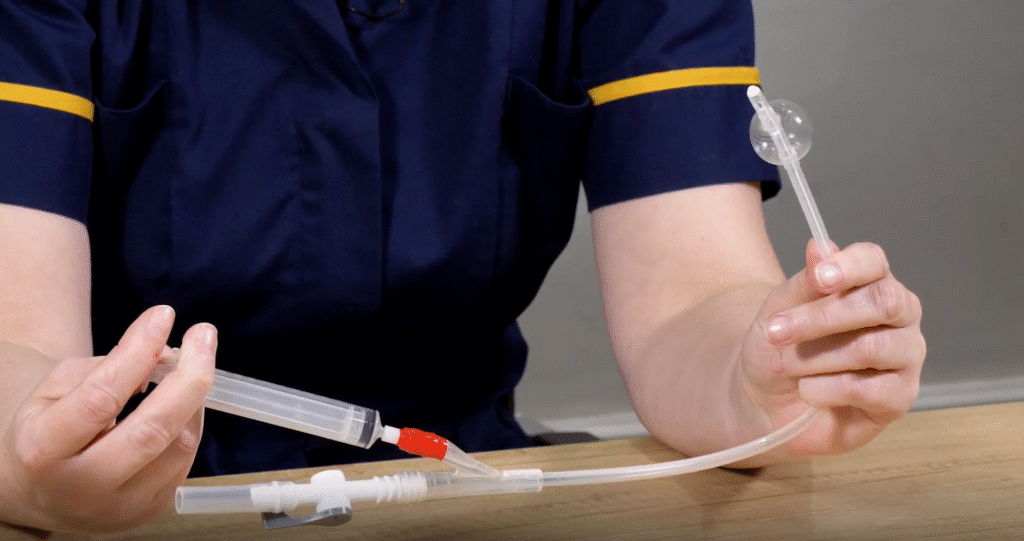
An indwelling catheter (also known as a Foley catheter) is designed to stay in the bladder continuously*. An indwelling catheter is held in place with an inflated balloon and is connected to a catheter bag or catheter valve. Intermittent self-catheters on the other hand are temporary, they are used when needed and removed.

Patients who self-catheterise have a lower risk of urinary tract infections (UTIs) and can manage their condition independently, making it an attractive option versus an indwelling catheter.

*An indwelling catheter will be changed following the manufacturer’s instructions. How long it stays in place can vary from person to person.

View the video transcript +

So an indwelling catheter, also known as a Foley catheter, is designed to stay in place for longer and this can be inserted through the urethra or the abdominal wall.

These are held in place with a balloon which I’ll show you, and we blow this up with some sterile water and that can stay in for a number of weeks.

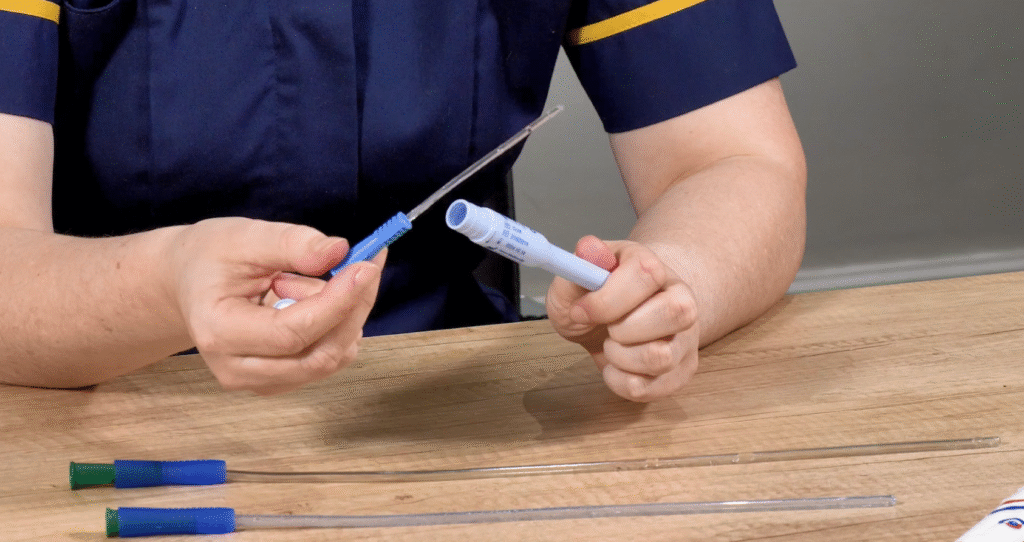
So this is an intermittent self catheter, also known as an ISC. This is something that the patient would manage themselves and would be used to drain the bladder however many times a day is appropriate determining on the condition that you have.

Photo of Louise Harrison, Community Specialist Nurse demonstrating how an indwelling catheter works.

Types of intermittent self-catheters

Intermittent catheters come in a range of designs to suit different preferences, lifestyles and levels of dexterity. Two of the most common types are hydrophilic catheters and gel catheters.

Hydrophilic catheters have a special surface that becomes slippery when activated by water. Some are ready to use straight from the packet, while others come with a small burstable water sachet inside the packaging to activate the coating.

Gel catheters, on the other hand, are pre-lubricated catheters with gel, making them smooth and ready to insert without any extra preparation. Gel catheters are compact and discreet making them ideal for travelling.

View the video transcript +

A question I’m often asked is what are the different types of catheters?

With intermittent self catheters there are two different options available. One is a water-based catheter which we refer to as hydrophilic and these may have a water sachet within the packet that needs to be burst to activate the coating or they may already be pre lubricated ready to use.

Then the other option is a gel catheter and these are pre lubricated and the gel option may make it smoother and reduce friction when inserting the catheter.

So when you have your appointment with your healthcare professional, it’s important that you’re offered a choice in order that you find a catheter that’s comfortable for you and this will help you keep up with your regime of catheterising.

Louise Harrison showing a gel catheter

Benefits of self-catheterisation

Discreet

Catheters are usually designed in a compact way to be carried around discreetly without drawing any attention.


Creates independence

The user-friendly, self-managed aspects of ISC allow people to manage independently.

Reduced risk of infections

Intermittent self-catheterisation carries a lower risk of infections like Urinary Tract Infections (UTIs) versus an indwelling catheter.

Comfortable

With most catheters being pre-lubricated in some way, insertion and removal is low-friction, minimising discomfort.


Not sure which catheter to try?

Request a free sample so you can test and compare to find what works for you.

Tips for living with self-catheterisation

Self-catheterising soon becomes part of your normal routine. A few simple habits can help make it easier and more comfortable day to day:

Create a schedule – Make self-catheterising a regular practice at intervals recommended by your healthcare professional. You can use reminders and alarms to maintain your schedule.

Be prepared – When leaving the house, take catheters and the supplies you need to self-catheterise so you are fully prepared wherever you are.

Plan for travel – If you’re leaving the country, print off our travel certificate eliminating the need for you to try and explain your condition.

Stay hydrated and healthy – Drinking enough fluids helps flush the bladder, reducing the risk of infection and blockages.

An older couple standing on a hill at sunset, they are holding hiking poles and have a large rucksack. They are both smiling and laughing.

Catheters for self-catheterisation

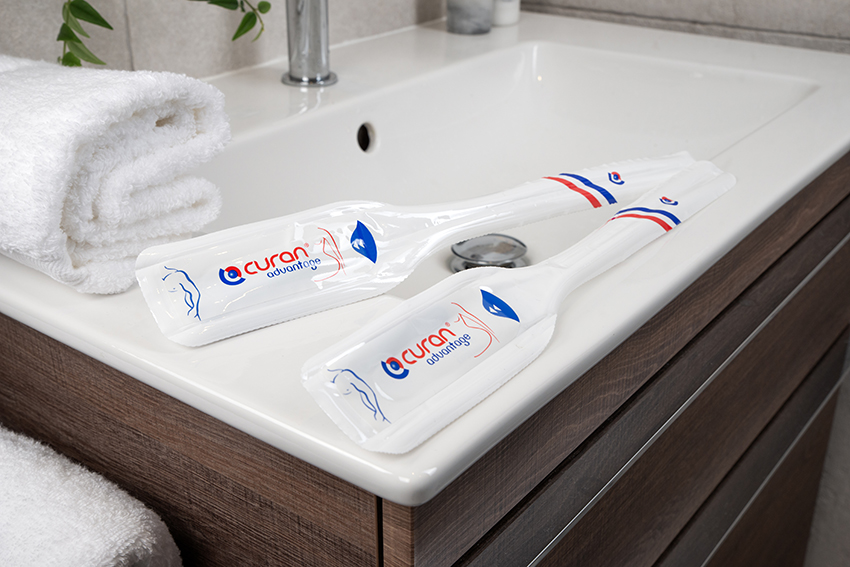
Two Curan Advantage catheters in its packaging on the side of a sink

Curan Advantage Hydrophilic ISC

Experience smooth, low-friction catheterisation with ComfortCoat® hydrophilic coating that ensures lasting lubrication from insertion to removal.

View product
Curan lady catheter on a sink with a mirror.

Curan Gel ISC

Curan Gel intermittent catheters have a compact design and protective casing make them the ideal travel companion. Their hydrogel coating ensures smooth and comfortable insertion and removal.

View product

Self-catheterisation is a safe and effective method of draining pee from the bladder

ISC are used when you have urinary retention (being unable to pee), some types of urinary incontinence and neurological conditions

Indwelling catheters (Foley catheters) stay in your bladder on a longer term basis, whereas intermittent self-catheters are inserted when needed and then removed

The two main types of intermittent self-catheters are hydrophilic and gel catheters

When choosing the right catheter length, you will need to use the ‘CH’ sizing metric (also known as Charrière or French Gauge)

Self-catheterisation is discreet, comfortable, carries a lower risk of infection and can be managed independently at home

To make self-catheterising easier, set a schedule, be prepared and stay hydrated and healthy

At CliniMed, we offer a hydrophilic self-catheter and a gel self-catheter

Frequently asked questions

Self-catheterisation shouldn’t be painful. You may experience a bit of discomfort when you start catheterising but this will become more comfortable with practice. Using the right technique to self-catheterise and a correctly sized catheter help to make the process pain-free.

Continence support and resources

A woman in a wheelchair sits at a dining table taking a croissant from a plate offered by a young man in casual clothes, they could be mother and son.

How to Self-Catheterise

Learn how to self-catheterise safely and comfortably with this step-by step guide.

Learn more
An older couple smile as they talk to each other and prepare vegetables on a kitchen island.

Nutrition Guide for People With Incontinence

Written with dietitian Ruth Kander, this guide offers advice on what to include and avoid in your diet to support bladder health, reduce irritation, and manage incontinence.

Download your guide
A man stands in a kitchen leaning against a worktop while pouring water from a jug into a glass.

Continence Hydration Guide

This guide created by healthcare specialists, offers practical tips, a daily fluid intake tracker, and a sample menu to help you stay on top of your hydration needs.

Download your guide
A family walk through woodland, the grandparents lead the way holding the children's hands while the parents walk behind.

Urinary Incontinence Catheter Care Guide

This guide contains advice on living with a catheter, including helpful tips, solutions to common challenges and how to gain confidence.

Download your guide