

In this page, we explore how your diet, hydration and lifestyle choices can influence bladder health. Discover which foods help the bladder function, which foods may cause irritation and how to spot bladder irritants with our free bladder diary. Gain practical tips for staying hydrated, maintaining a healthy lifestyle and reducing symptoms of incontinence.
Note to readers: According to research from AgeUK, the word “pee” is generally preferred, so we’ve used it consistently throughout this page.
How diet affects the bladder
What we eat and drink can play an important role in how well the bladder and urethra function.
Some things in our diet can make your bladder feel more sensitive, make you need to pee more and make your pee more acidic, these are known as bladder irritants. For people with incontinence or overactive bladder (OAB), the effects of bladder irritants can be more noticeable as it can make symptoms worse.
In contrast, staying hydrated and having a bladder-friendly diet can keep the bladder lining healthy, reduce the risk of constipation and support bladder function.
There are no set rules when it comes to what you should eat and drink if you have incontinence. Generally, you should aim to have a varied diet of water, fruit, vegetables, wholegrains and protein.
Foods that irritate the bladder
Some foods and drink that can cause bladder irritation are:
Citrus fruits – oranges, lemons and limes can make your pee more acidic which can irritate the lining of your bladder
Caffeine – coffee, tea (even some herbal tea) and caffeinated drinks like cola are a mild diuretic (a substance that increases how much pee your body produces)
Spicy food – chili peppers, spices like cayenne pepper and hot sauce can irritate the bladder and make urinary urgency and frequency worse
Raw onions – like citrus fruits, raw onion also has high acidity which can cause bladder irritation
Alcohol – drinking alcohol can cause dehydration, inflammation and make the urinary tract more sensitive
Tip – If you want to cut down your caffeine intake, try drinking tea and coffee that is decaffeinated or less caffeinated (decaf or half caff).

Identifying what irritates your bladder
Not everyone will have the same reaction when it comes to bladder irritants. One food that heavily impacts on someone’s urinary patterns can have a very small effect on someone else.
If you are experiencing a sudden strong urge to pee (urgency) or a need to pee more than usual (frequency), something in your diet could be contributing. Using a bladder diary can help you identify any bladder irritants that could be triggering your urinary symptoms. The diary works as a record of what you have had to eat and drink during the day and any symptoms you have experienced.
You can still have bladder irritants in your diet; you might just want to limit them. You don’t have to cut them out entirely unless you have been told to by a healthcare professional.
Foods that support bladder health
Eating a variety of healthier foods can improve how well your bladder functions and improve symptoms of incontinence.
Some bladder-friendly foods that you can incorporate into your diet include:
Fibre-rich foods – oats, beans and nuts can reduce the risk of constipation
A variety of fruit and vegetables – melon, peaches and cucumbers are high in water content, giving you nutrients and helping you stay hydrated
Protein-rich foods – meat, eggs, tofu and soya will help strengthen your pelvic floor muscles which can improve symptoms of stress incontinence
Tip – we have included some healthy meal ideas and drink options in our free nutrition guide!
Hydration and the bladder
Drinking water is essential for keeping your bladder healthy by reducing the risk of:
Infections
Drinking water will help flush out bacteria and lower the risk of Urinary Tract Infections (UTIs)
Irritation
Dehydration causes pee to be more concentrated which can irritate the bladder lining
Constipation
Constipation can put pressure on the bladder – water helps to soften poo, helping it to pass through easier
Kidney stones
Keeping hydrated will help to prevent minerals building up that can create kidney stones
Tips for a healthy bladder
Have a varied diet
Aim to include a mix of protein, carbohydrates, fruit and vegetables and diary within your diet to meet the NHS Eatwell Guide. The Eatwell Guide shows how much food from five main groups you need for a healthy, balanced diet. Eating a range of foods will give you a variety of nutrients, including vitamins, minerals, fibres and proteins. No single food category will give you everything you need, so variety is important. A healthy diet is essential for overall health, body function, energy levels and lowering your risk of type 2 diabetes.
Eat fresh foods
You should aim to eat fresh food where possible. Processed food often contains preservatives and additives, with higher levels of sugar and salt which can make eating a balanced diet more difficult. You don’t have to completely cut out processed foods; you can still enjoy them in moderation. In the UK, the traffic light system on food will help you see the amount of fat, sugar, salt, saturates and calories in food in a red, amber and green scale.
Cut down or quit smoking
Smoking can have a range of negative effects on the bladder, mainly increasing your risk of developing bladder cancer. Around half of all bladder cancers are caused by smoking1, cutting down or stopping smoking can reduce this risk. Toxins in cigarettes can also irritate the bladder, damage the bladder lining and reduce the amount of pee your bladder is able to hold. Nicotine can also cause your bladder muscles to contract which can cause a sudden, strong urge to pee (urgency).
Maintain a healthy weight
Being overweight can put pressure on your bladder and weaken your pelvic floor muscles. If your pelvic floor muscles become weak, your body becomes less able to control when pee is released from the body. You may experience leaks when coughing, sneezing or lifting if you have weak pelvic floor muscles. Losing weight can relieve pressure on the bladder which can improve your symptoms or stop leaks entirely.
Key takeaways
Diet, hydration and lifestyle choices can all impact how well your bladder functions
Some foods that can irritate the bladder are citrus fruits, spicy food and raw onions
Identify bladder irritants by monitoring food and documenting symptoms in a bladder diary
Fibre-rich foods, fruit and vegetables and protein-rich foods all support bladder health
Water is essential in your diet to reduce the risk of infections, kidney stones, constipation and irritation
Having a varied diet, eating fresh foods, stopping or cutting down smoking and being a healthy weight can improve bladder function
References
- Cancer Research UK, Risks and Causes of Bladder Cancer [website]: https://www.cancerresearchuk.org/about-cancer/bladder-cancer/risks-causes (accessed 20 March 2026)
Frequently asked questions
Cranberry juice is often considered beneficial if you have an infection, specifically Urinary Tract Infections (UTIs).
However, there is little evidence to prove whether cranberry juice is effective in this way. If you do have a UTI, speak to your GP who can prescribe antibiotics to treat your infection.
If you are taking Warfarin or other blood thinning medication, it is recommended that you avoid cranberries and cranberry juice.
How long coffee irritates the bladder can vary from person to person but the effects of caffeine can be seen in around 30 minutes. You will know if coffee is irritating your bladder if you find you need to pee more than usual.
There is no alcoholic drink that will cause no irritation, but there are options that will cause less irritation. If you opt for drinks with a lower alcohol content, these are less likely to cause severe irritation.
Milk is not considered a bladder irritant. However, everybody is different so this could be a trigger for some people, potentially for people who are lactose intolerant.
Ginger is generally not considered a bladder irritant unless you are consuming large amounts. Ginger can be spicy and so when you have large quantities, it can make you need to pee more and create a sudden strong urge to pee.
Probiotics like actimel contain live, friendly bacteria that can support a healthy microbiome (a collection of bacteria, viruses and fungi living on and in our bodies). Some experts think Probiotics may be good for bladder health, although this is yet to be proven.
Support and resources
Find lots of helpful tips for living with incontinence in our resource library.

Nutrition guide
Written with dietitian Ruth Kander, get recipe ideas, tips for a healthy bladder and advice on bladder irritants.
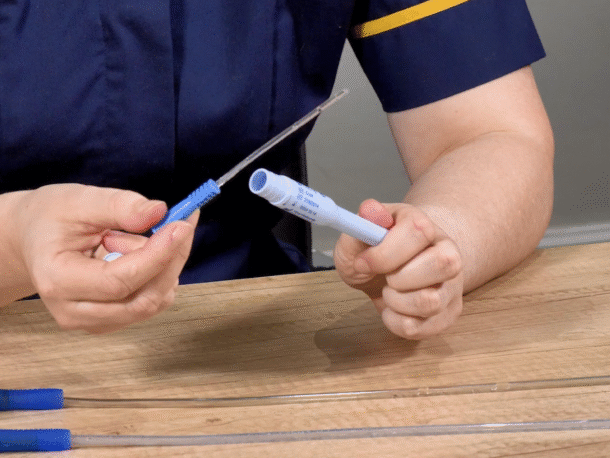
What is self-catheterisation
Understand the types of intermittent self-catheters, how to choose the right catheter length and tips for living with self-catheterisation.

Bladder diary
Track daily activities, fluid intake and bathroom visits with our free downloadable bladder diary.
Hydration guide
Learn how much fluid your body needs, spot the signs of dehydration and check your hydration levels using our pee colour chart.