

Stoma blockages can occur in people with a colostomy or ileostomy, but they are more common in those with an ileostomy. In this page, we will explain what a stoma blockage is, the symptoms, potential causes, and how to avoid and treat a stoma blockage. Get advice on seeking help and when you should speak to a healthcare professional.
Note to readers: According to research from the NHS, the words “pee” and “poo” are generally preferred, so we’ve used these consistently throughout this page.
What is a stoma blockage?
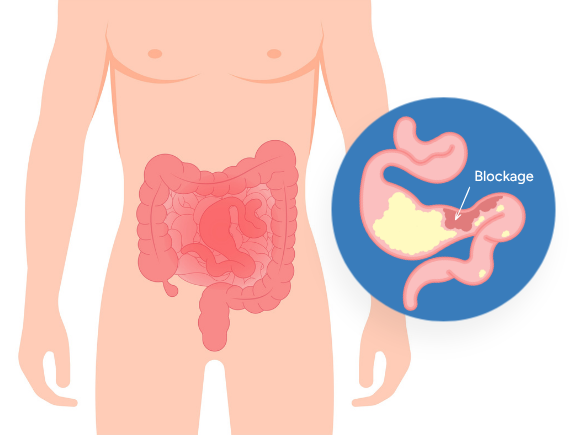
A stoma blockage is when your stoma output (poo) slows down or stops completely due to a blockage in the bowel (small and large intestine). A blockage is also known as an obstructed stoma, ostomy blockage, blocked stoma, intestinal obstruction or bowel obstruction.
For people with a colostomy, a blockage can be slower to develop and may not be as obvious at first. Early signs may include less or no poo in your stoma bag or harder/very dry poo. You may also experience signs of constipation like pains in your tummy or cramping.
Blockages with a colostomy are uncommon and are more often linked to constipation.
With an ileostomy, blockages happen more quickly with symptoms showing sooner. Poo is usually looser and more frequent with an ileostomy. If you have a blockage, you may notice less/no poo in your stoma bag.
Signs to look out for
Stoma blockage symptoms
A bowel obstruction in both males and females is the same. Symptoms include:
Stomach pain or cramping
Peeing less and dehydration
Nausea and/or vomiting
Less or no poo in your stoma bag
Stoma blockages can be partial or complete. A partial bowel obstruction is when a small amount of poo can pass the obstruction. This often causes loose, watery poo from the stoma. In a complete bowel obstruction, there will be no poo at all from the stoma.

What causes a stoma blockage?
The main cause of a stoma blockage/bowel obstruction is food that hasn’t been digested well. This may be because food hasn’t been chewed properly before being swallowed, especially with foods which are more difficult to digest.
Stoma blockages can also be caused by your bowel (intestines) not functioning correctly. This could be due to:
Scar tissue
Scar tissue (adhesions) can form inside the bowel after stomach surgery. This can make the bowel less flexible and more likely to become blocked. Scar tissue can also develop after inflammation or infection. This can happen with conditions such as diverticulitis, Crohn’s disease or ulcerative colitis.
Narrowing of the bowel
When a bowel becomes narrow/thinner, this can increase the chance of obstruction. Narrowing can be caused by scar tissue or conditions like diverticulitis or ulcerative colitis.
Bowel movement
The bowel uses peristalsis (muscle contractions) to help move poo out of the body. If this movement is disrupted this can lead to obstruction or blockages. This can happen after a recent surgery and is often temporary.
Changes to bowel position or blood flow
In rare cases, the bowel may become completely obstructed. This should be checked by a healthcare professional.
Having a parastomal hernia (a hernia around the stoma) can increase the chance of this happening. Signs to look out for include ongoing discomfort, vomiting, changes in the colour of your stoma, or a fever. If you notice any of these, speak to a healthcare professional for advice.
What foods can cause a bowel obstruction?
Everybody responds differently to different food. There aren’t any foods which should be avoided for everyone. What works for one person might be different to what works for another.
Foods which may be more difficult to digest include:
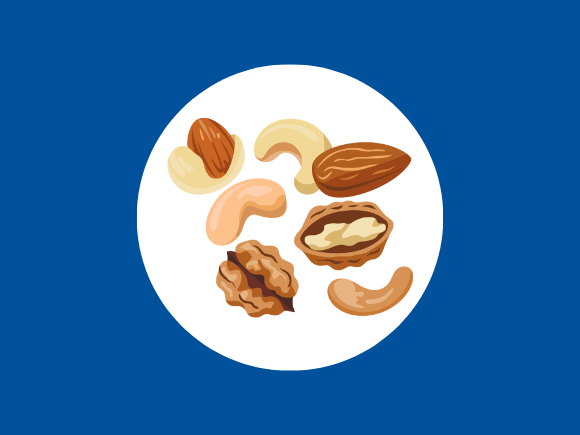
Nuts and seeds
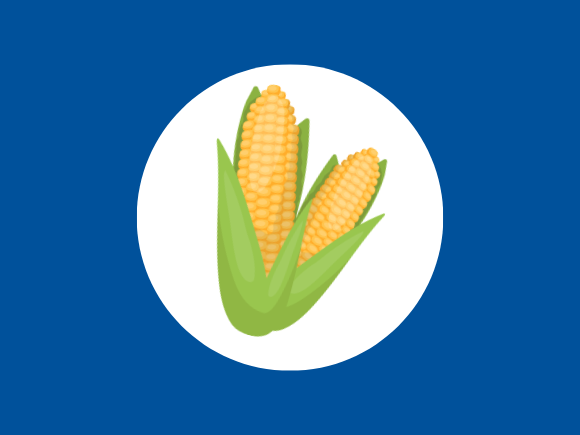
Sweetcorn
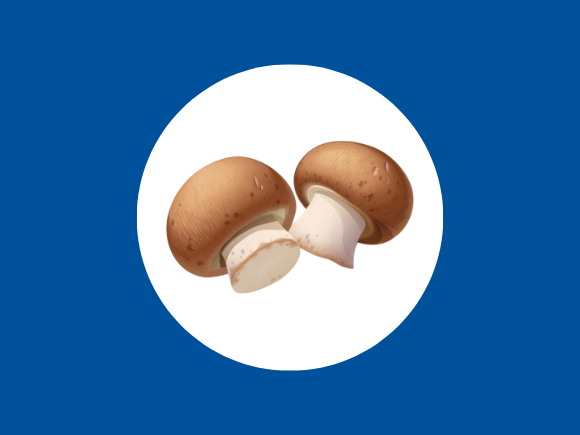
Mushrooms
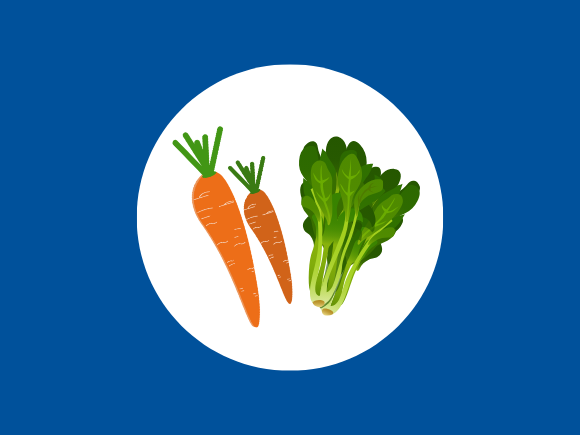
Raw vegetables
With all of these food groups, it’s recommended to chew them very well, drink lots of fluids, and try a small amount to begin with.
Our Diet & Nutrition guide includes more information about healthy eating.
How can you avoid a blocked stoma?
A blockage cannot always be prevented. For example if a blockage is caused by scar tissue or narrowing of the bowel.
However, these tips can still help to reduce the risk of a stoma blockage:
Chew food well – chewing food into smaller pieces will be easier for your body to digest
Eat slowly – take your time when eating meals to give your body time to digest food
Drink enough fluids – drinking enough fluid helps your body stay hydrated and reduces the risk of constipation
Try new foods slowly, starting with small portions – this will help you learn what foods do and don’t work for you

How to manage a blocked stoma
Some stoma blockages can be managed at home when the symptoms are mild.
Doing gentle movements such as walking can help to encourage bowel movement (as long as this feels comfortable). You can also apply heat to your tummy area. This could be by applying a heat pad or hot water bottle, or taking a warm bath.
There are also steps you can take depending on whether you have a colostomy or an ileostomy:
Drink plenty of fluids unless advised otherwise
Gently massage your tummy to encourage peristalsis (muscle contractions)
Use laxatives to help soften your poo
Drink fluids little and often to encourage bowel movement
Drink warm drinks to encourage bowel movement
When to seek medical help
You should seek medical attention by contacting your Stoma Care Nurse, NHS 111 or GP if
- There has been less or no output (poo) from the stoma
- You are feeling sick or vomiting
- Pain or swelling is severe or getting worse
- Your stoma changes colour
- You are showing signs of dehydration – feeling very thirsty, having dark pee, dry mouth, or feeling dizzy or tired
It’s important to trust how you’re feeling, if something feels wrong or different, seek help and reassurance from a healthcare professional.
Key takeaways
A stoma blockage is where your output (poo) slows down or stops entirely because of a blockage in your bowel (intestines)
Symptoms of a stoma blockage include: less/no poo in your stoma bag, stomach pain or cramping, nausea, vomiting and dehydration
Stoma blockages are mainly caused by food that hasn’t been digested well
Reduce the risk of a stoma blockage by chewing food well, eating slowly, drinking enough fluid and trying new foods gradually
Mild blockages can be managed at home by applying heat to the tummy, gentle movements like walking and drinking lots of fluids
Speak to a healthcare professional if you are feeling sick, in pain or if you have less/no output from your stoma
Foods that can be more difficult to digest are nuts, seeds, sweetcorn, mushrooms and raw vegetables
Frequently asked questions
A blocked stoma can be dangerous if it is not treated. A mild blockage may settle and can be managed at home. An ongoing blockage can cause pain, swelling or dehydration so it’s important to seek advice from a healthcare professional if symptoms persist.
Common signs include less or no stoma output (poo), stomach pain or cramping, bloating, nausea, or a swollen stoma. Many people notice their usual output routine changes. Trust your instincts if something feels wrong and speak to a healthcare professional.
Support and further reading
Find lots of helpful tips and downloadable guides to help you navigate living with a stoma.

Diet and nutrition guide
Wondering what foods you should avoid with a stoma? This free, downloadable guide offers dietary advice for people with a stoma.

How to care for the skin around your stoma
Discover routines and products that can help maintain healthy peristomal skin, provide comfort and prevent complications.

Hydration guide
This guide developed by Stoma Care Nurses, Kevin Hayles and Louise Harrison explores the importance of hydration and the impact on your stoma.