


Incontinence is a common condition that affects people of all ages and backgrounds. It can involve the unintentional leakage of urine or faeces due to a loss of bladder or bowel control. It may be caused by a wide range of physical, neurological, and lifestyle-related factors. In this page, we will cover the different types of urinary incontinence (UI), their common causes, and how they affect both men and women.
What is incontinence?
Incontinence refers to the loss of bladder or bowel control, leading to leaking of urine or faeces. It can be temporary or chronic and varies in severity from person to person. Some people experience occasional leaks, while others may have ongoing difficulty controlling urination. Some types of incontinence, especially those linked to lifestyle factors like your diet can often be treated with adjustments to daily routines and behaviours.
If you are experiencing urinary incontinence, you are not alone. It is estimated that three million people experience urinary incontinence in the UK alone.1
Note to readers: According to research from AgeUK, the word “pee” is generally preferred, so we’ve used it consistently throughout this page.
Common causes of urinary incontinence
Urinary incontinence occurs when the muscles and nerves involved in bladder control do not function properly. This can happen when people have:
Pelvic floor muscles help control urination, so when they weaken, leaks can occur. There are several reasons why pelvic floor muscles can become weak, such as surgery or injury to the pelvic area, pregnancy/childbirth and age-related muscle loss/weakening.
Detecting pelvic floor weakness early can help reduce symptoms. Pelvic floor (Kegel) exercises strengthen these muscles and, in turn, can improve bladder control. At CliniMed, we have developed pelvic floor exercise guides specifically for men and women with the help of expert Physiotherapists, Natalia Vasquez and Gerard Greene.
Neurological conditions can disrupt the signals between the brain and bladder that control when to hold or release pee. In these instances, the bladder may have difficulty emptying completely or at all, and may release pee unexpectedly. Conditions that can affect bladder function are Multiple Sclerosis (MS), Parkinson’s disease, having a stroke or a spinal cord injury.
Bladder and prostate issues can cause different types of urinary incontinence. For example, an enlarged prostate (sometimes called Benign Prostatic Hyperplasia or BPH) can block the flow of pee and cause difficulty peeing. Overactive Bladder (OAB) is a common bladder condition that causes a sudden and strong urge to pee, even when you may not need to.
Types of urinary incontinence and their causes
Urinary incontinence can present in several ways. There are six main types, and some people may experience more than one.
Urge incontinence
Urge incontinence (or urgency incontinence) is typically caused by the detrusor muscles (muscles within the wall of the bladder that help store urine) contracting too frequently causing the need to pee more often leading to leaks and accidents. Urge incontinence often goes hand in hand with overactive bladder (OAB) as overactive bladder causes the urge to pee.
Stress incontinence
The main cause of stress incontinence is age-related physiological changes and weakening or dysfunction of the pelvic floor muscles. Other risk factors are pregnancy and childbirth, menopause, obesity and some lifestyle factors.
Overflow incontinence
Overflow incontinence (or chronic urinary retention) can be caused by a blockage in the bladder, such as an enlarged prostate or bladder stones, or by the detrusor muscles not contracting as much as they should be.
Total incontinence
Total incontinence (or complete incontinence) is usually caused by congenital birth defects, spinal cord injuries or a bladder fistula (a hole or tunnel that forms between your bladder and another organ, causing it to leak pee where it shouldn’t).
Functional incontinence
Functional incontinence is caused by physically not being able to get to the toilet in time. This could be due to mobility issues, cognitive impairments, dexterity issues, or it could be because a carer is needed to assist with getting to the toilet.
Mixed urinary incontinence
Mixed urinary incontinence is when you experience symptoms of stress and urge incontinence. This can be caused by a variety of reasons, such as weakened pelvic floor muscles, pregnancy or childbirth.
Causes of urinary incontinence in women
Women are more likely to experience incontinence than men, with figures stating that 50% of women will experience incontinence at some point in their lives.2
Weakening of the pelvic floor muscles is a common cause of urinary incontinence, often resulting from biological and hormonal factors such as:
Childbirth
Pregnancy
Menopause
Conditions linked to incontinence specifically in women are Fowler’s Syndrome and endometriosis.

Causes of urinary incontinence in men
Urinary uncontinence in men is often driven by biological or medical factors, particularly those affecting the prostate. Common causes include:
Enlarged prostate (Also called Benign Prostatic Hyperplasia, or BPH)
Bladder cancer and prostate cancer – with prostate cancer affecting 1 in 8 men in the UK3
Prostate cancer treatment, specifically radiotherapy
Prostate surgery, specifically removal of the prostate (radical prostatectomy)
Men can also experience urinary incontinence as a result of nerve damage from conditions like MS and Parkinson’s disease.

Causes of urinary incontinence in older adults
Ageing does increase the likelihood of urinary incontinence but it isn’t an inevitable part of getting older. Many elderly people will not suffer incontinence at all. Incontinence is however linked with age due to the natural reduction in bladder capacity, mobility and dexterity.
Conditions that are more common in older adults, such as dementia are linked with incontinence because of the cognitive decline. Incontinence can also occur as a result of taking multiple medications (polypharmacy) which is more common in older adults.
Temporary and lifestyle-related causes of urinary incontinence
Some people with urinary incontinence may only experience it temporarily and manage to become continent again with changes to their lifestyle. Things that can cause short-term urinary incontinence are:
Urinary Tract Infections (UTIs)
Constipation
Certain medications, such as sedatives (prescription drugs used to slow down brain activity) and diuretics (medicine used to help your kidneys remove excess water and salt)
Drug abuse e.g. Ketamine
Being overweight

When to seek medical help
Urinary incontinence should always be discussed with a healthcare professional, especially if symptoms are sudden, worsening, or affecting daily life.
There are many ways in which you can manage urinary incontinence discreetly and independently. Your healthcare professional can highlight available management and treatment methods, such as catheters, urinary sheaths and incontinence pads.
People with incontinence can feel embarrassed about seeking help, but you shouldn’t – it’s your first step to regaining control. It’s important to detect and diagnose incontinence early so you can understand the cause and prevent your symptoms from getting worse.
With the right support, most people can manage their urinary incontinence effectively. Simple lifestyle changes, regular pelvic floor exercises, and a continence product that fits your needs can make a huge difference.
Men in particular may find it more difficult to seek help, or use an incontinence product. Our male incontinence product guide can help you explore different options and find what may work best for you.
Key Takeaways
Incontinence is the loss of bladder or bowel control, affecting millions in the UK.
Causes include weak pelvic floor muscles, nerve damage, bladder or prostate issues.
Six main types: urge, stress, overflow, total, functional, and mixed incontinence.
Women can develop urinary incontinence due to childbirth, pregnancy, and menopause. Men can get urinary incontinence due to prostate problems. Age, UTIs, constipation and certain medications can also contribute.
Seek medical advice early; management options include lifestyle changes, pelvic floor exercises, and continence products.
References
- Age UK, Urinary Incontinence [website] https://www.ageuk.org.uk/information-advice/health-wellbeing/conditions-illnesses/urinary-incontinence/ (Accessed 7 January 2026)
- Incontinence UK, How Incontinence Affects Men and Women Differently [website] https://www.incontinencechoice.co.uk/blog/the-unique-differences-between-male-and-female-incontinence (Accessed 7 January 2025)
- PHS Group, Over Half of UK Men Experience Urinary Male Incontinence [website] https://www.phs.co.uk/resources/over-half-of-uk-men-experience-urinary-incontinence/ (Accessed 9 January 2025)
Frequently asked questions
Yes, Parkinson’s disease can cause urinary incontinence. Parkinson’s disease affects the normal functioning of brain signals and can cause dexterity and mobility issues, all increasing the likelihood of incontinence.
Yes. A Urinary Tract Infection irritates the bladder, which can cause sudden urges to pee and occasional leaks (urge incontinence).
Yes. Lower estrogen (hormones responsible for female reproductive system) levels during menopause can thin the urethra lining and weaken pelvic floor muscles, increasing the risk of incontinence.
There is a link between caffeine and incontinence, especially when drinking too much caffeine. Caffeine is a bladder irritant and mild diuretic and so will cause the need to pee more than usual. High amounts of caffeine over a long-term period can lead to incontinence, especially stress or urge incontinence.
Yes, Multiple Sclerosis (MS) can cause incontinence. People with MS experience nerve damage that causes their bladder to dysfunction, this can cause difficulty peeing (urinary retention) or sudden urges to pee (urge incontinence).
An infection in the bladder can cause incontinence due to the irritation and inflammation. A bladder infection can cause a sudden and urgent need to pee (urge incontinence).
Yes, alcohol can cause incontinence. Alcohol is a bladder irritant and diuretic, which means it makes you produce more pee. Overproduction can cause sudden and strong urges to pee (urge incontinence). Drinking heavily also impairs your brain signals, so you might not realise you need the toilet until it’s too late.
Endometriosis can cause incontinence, both urinary and fecal incontinence. Urinary incontinence can be caused by tissue from the uterus forming on the bladder instead, causing inflammation. Pain from endometriosis can also cause urinary incontinence by impacting the pelvic floor muscles. Typically, this will make the pelvic floor muscles too tight and cause the bladder to stop functioning properly.
Diabetes can cause incontinence in a few different ways. One way diabetes can cause incontinence is through nerve damage, causing the bladder dysfunction. Another way is through high blood sugar levels, making you need to pee more.
Yes, constipation can cause urinary incontinence due to the pressure the colon puts on the bladder. If you are unable to go to the toilet, your colon will be bigger and will press onto the bladder. With the added pressure, the bladder will not be able to hold as much pee, leading to urge incontinence.
Support and resources
Find lots of helpful tips for living with incontinence in our resource library.
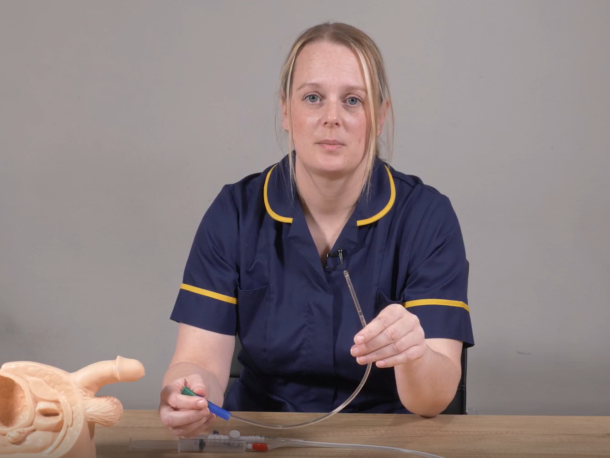
How to self-catheterise
Learn how to self-catheterise safely and comfortably with this step-by step guide.

Your guide to catheter bags
Learn the different types of catheter bags, sizes and configurations to support comfort, discretion, and independence in your daily life.

Bladder Diary
Track daily activities, fluid intake and bathroom visits with our free downloadable bladder diary.
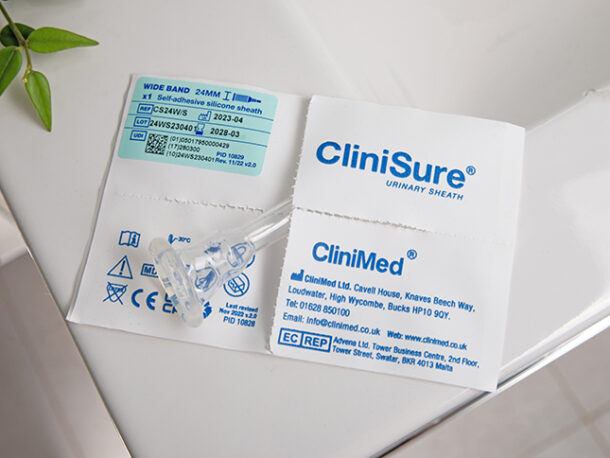
Your guide to urinary sheaths
Learn what a urinary sheath is, how it works, how to apply and remove one safely and tips for getting the right fit.