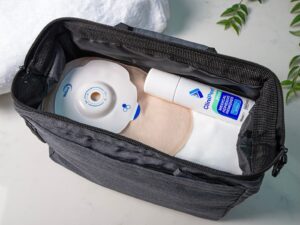

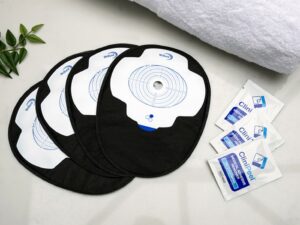

Male incontinence is a common condition, affecting 1 in 3 men over the age of 65 in the UK1. In this page, we will discuss available products to help you manage incontinence and key considerations when choosing a product. Discover tips for using incontinence products and how choosing the right product can help with comfort and confidence.
Note to readers: According to research from AgeUK, the word “pee” is generally preferred, so we’ve used it consistently throughout this page.
What is male incontinence?
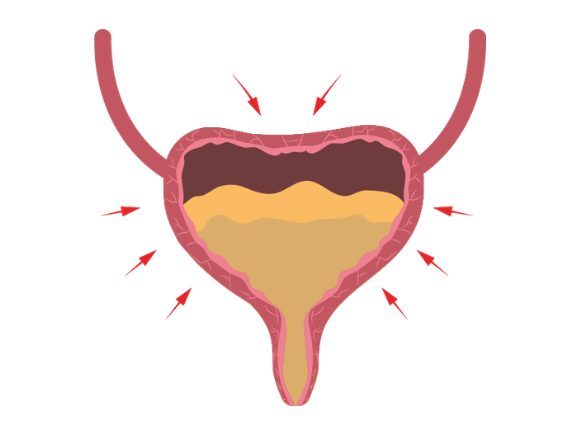
Male urinary incontinence is where you are unable, or less able, to control bladder. This could be due to ageing, neurological conditions like Parkinson’s disease or prostate-related issues like enlarged prostate (benign prostatic hyperplasia or BPH).
There are six types of urinary incontinence but urge and stress incontinence are the most common in men.
You are not alone if you are experiencing symptoms of urinary incontinence – around 1 in 3 men over the age of 65 in the UK are affected1.
The good news is that urinary incontinence is absolutely manageable. With the right support, many men manage their symptoms independently and discreetly.
It’s important not to delay speaking to your healthcare professional about your symptoms. Your healthcare professional can help you identify things that could be making your symptoms worse, such as bladder irritants (food and drink that irritates the bladder and can make you need to pee more). You will also get a tailored treatment and management plan to help improve your symptoms and confidence.
Types of male incontinence products
Different products are designed to suit different levels of leakage, lifestyles and individual medical needs. Products designed to help you manage incontinence include:
Male incontinence pads (absorbent products)
Male incontinence pads are designed to absorb pee and are suitable for light to moderate level of leakage. Depending on your preference, they can be worn inside your underwear as a liner, or as pull-up underwear/pants. Pads and pants come in a range of different sizes and absorbency levels, helping you find what works best for you. Incontinence pads and pants generally feature a slim, discreet design that makes them comfortable to wear and easy to use. Many options have odour control to give you peace of mind throughout the day.
Urinary sheath
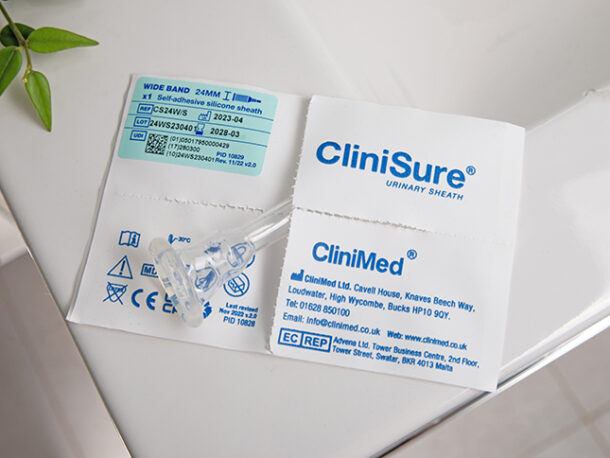
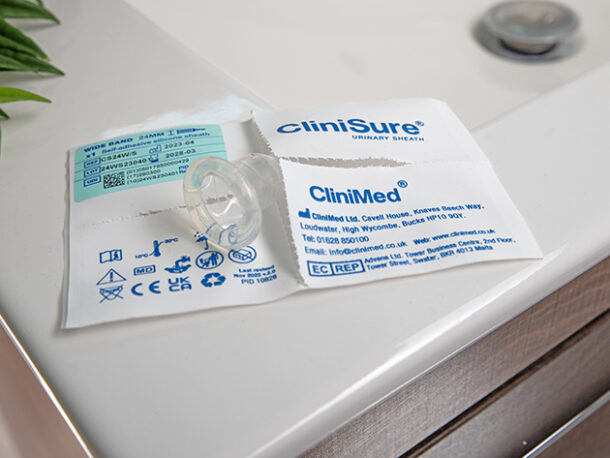
A urinary sheath is fitted over the penis like a condom, collecting pee into the attached leg or night drainage bag. You may hear a urinary sheath called an external catheter, condom catheter or a penile sheath. Sheaths are an incontinence device designed specifically for men and are suitable for moderate to heavy leakage. A sheath is easy to wear and easy to put on making it a comfortable option for everyday use. Sheaths are available in a range of sizes and skin-friendly materials. You can wear a urinary sheath for up to 24 hours, giving you peace of mind during the day or at night time only.
Intermittent-self catheters (ISC)
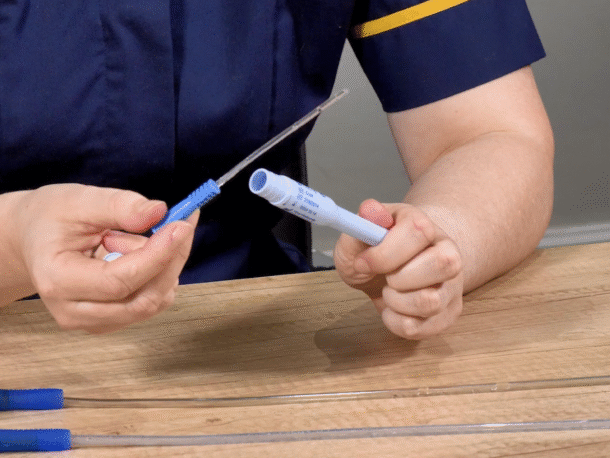
An intermittent-self catheter (also called a self-catheter or ISC) is used to drain pee from the bladder. Self-catheterisation is needed for people who experience urinary retention (being unable to fully empty the bladder). Urinary retention is commonly caused by prostate-related conditions. Prostatitis, or inflammation of the prostate, causes swelling that presses on the urethra and obstructs the flow of pee. Intermittent self-catheters are single use, meaning you will need a new catheter each time you need to empty your bladder. Intermittent self-catheters are available in a range of lengths, coatings and sizes so you can manage your symptoms comfortably and discreetly.
Before you can start using an intermittent-self catheter, you will need to be assessed by a healthcare professional to check this is right for you. You will also need to be taught how to self catheterise safely.
Drainage bags
Urine drainage bags (also called catheter bags) are attached to an indwelling catheter or a sheath to store pee. Drainage bags are available in different sizes depending on the level of capacity you need. You can choose from a leg drainage bag or a night drainage bag. A leg bag is usually worn during the day and is attached to your thigh or calf. A night drainage bag is worn at night and is bigger in size, allowing more pee to be stored during the night. Take a look at our sleeping with a catheter bag page for advice and tips for comfortable sleep.
Skin care and accessory products
Continence accessories allow you to manage your condition comfortably by reducing skin irritation and providing extra protection. A skin barrier cream acts as an extra layer on your skin to prevent soreness. A barrier cream is useful for people with incontinence as it can protect the skin from the affects of pee and moisture. Another popular continence accessory is a skin cleanser. A skin cleanser works by gently cleaning and moisturising the skin after a leak to remove pee from the skin.
How to choose the right male incontinence product
The ‘right’ product will vary from person to person. It’s important to try out different options and see what works best for you.
Some things to consider when choosing a male incontinence product are:

Level of leakage
This will help you decide on the capacity you need for your drainage bag and whether a sheath or continence pads will work better
Lifestyle
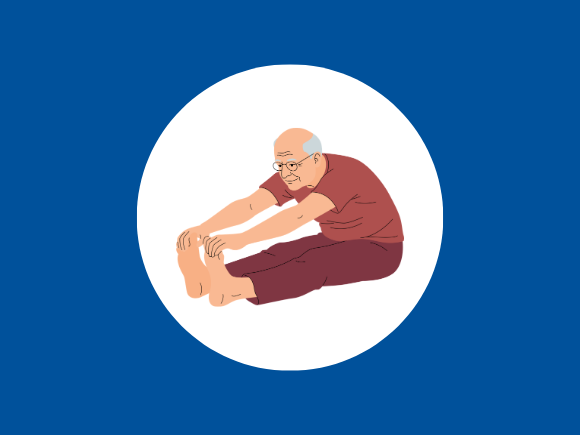
Your mobility, dexterity and active you will influence what kind of product you may need

Comfort and discretion
Fit, size, noise of packaging and ease of use will all determine whether a product is right for you
Scroll across the table below to view all columns.
| Product | Pros | Cons | Summary |
|---|---|---|---|
| Continence pad | • Easy to use • No measuring needed • Slim, discreet design • Can be purchased online or in supermarkets or pharmacies | • Can smell if worn for long periods of time • Needs changing often to protect the skin from moisture • Can feel wet if they aren’t changed frequently, or if the absorbency level is incorrect • Can become bulky when wet | A continence pad is generally popular due to how easy they are to use and purchase, this takes away a lot of worry from men. However, they can become uncomfortable and wet if they aren’t changed frequently or if the absorbency is incorrect. This can lead to skin irritation and soreness. |
| Urinary sheath | • Feels dry during use • No pee gets onto your skin • Slim, discreet design • Good at controlling odour • Can be worn for up to 24 hours • Can be used with a night drainage bag for a restful sleep • Drainage bag can be emptied without needing to change the sheath* *If worn for less than 24 hours | • Needs measuring to ensure a secure fit • Takes a little practice to use confidently | A urinary sheath may feel tricky to use at first. They can provide more peace of mind than a continence pad in terms of odour control, skin health and comfort. Sheaths can be worn for up to 24 hours and can be attached to a night drainage bag for a restful sleep. You do need to make sure you have an accurate measurement to get a secure, leak-free fit. |
Tips for using male incontinence products
When using a male incontinence product, these tips will help you manage incontinence safely:
Apply your product correctly – as per manufacturer or healthcare professional instructions
Maintain good hygiene practices – always wash and dry your hands before and after handing your product
Ensure your product fits securely – this will help to reduce leaks and provide peace of mind
Dispose of your product in the recommended way – as per instructions from the manufacturer or healthcare professional

Benefits of using the right product
The right incontinence product will not only help you manage your condition, it will also:
Reduce the risk of leaks and odour with a secure fit
Reduce the risk of skin damage and soreness
Give you greater independence by being able to manage your condition by yourself
Improve your confidence and self-esteem knowing that you can manage your condition discreetly

Living with male incontinence
Living with male incontinence can affect your physical and emotional health. Many men with incontinence experience feelings of embarrassment and anxiety over their condition. These feelings can deter men from speaking about their symptoms. According to research from TENA UK, only 17% of men would be willing to discuss incontinence with friends2.
Worrying about whether you will leak in public or needing the toilet urgently can impact on your social life. You might not want to go out due to the extra planning and anxiety around bringing supplies, accessing toilets and being in new environments. If you are struggling with incontinence, there are local charities that you can reach out to for support, such as Prostate Cancer UK and Bladder Health UK.
When to seek medical help
If you’re experiencing symptoms of incontinence – such as a sudden urge to pee, leakage, or waking several times during the night to urinate (nocturia) – it’s important to speak to a healthcare professional. Recurrent Urinary Tract Infections (UTIs), symptoms that appear suddenly, or get worse over time can affect both your emotional wellbeing and quality of life.
A healthcare professional can help understand what’s causing your symptoms and work with you to create a treatment or management plan. With the right support and product, many men find their symptoms can be improved or better controlled.
Explore our continence care products
CliniMed offers a range of continence accessories to help you manage your condition, including catheters, sheaths and drainage bags.
Explore our continence care range and request free samples to find what works best for you.


Key takeaways
Male incontinence is a common condition, affecting around 1 in 3 men over the age of 65 in the UK1
Speak to a healthcare professional if you have sudden or worsening symptoms or recurring Urinary Tract Infections (UTIs)
Urinary sheaths, catheters and continence pads/pants all help you manage incontinence
When choosing an incontinence product, consider comfort, ease of use and discretion
Living with male incontinence can feel embarrassing, but many men manage their condition easily and independently
At CliniMed, we offer a range of intermittent self-catheters, sheaths, drainage bags and continence accessories
Sampling different products will help you find what works best for you and your needs
Frequently asked questions
This will depend on what type of catheter you are using. An indwelling catheter (also known as a Foley catheter) is designed to stay in the bladder for days, or even months. An intermittent self-catheter on the other hand is designed to be inserted when you need to pee and disposed of once it has been used.
Yes. Male incontinence pads are usually made in a discreet, slim design so that they are not visible or bulky underneath your clothing.
There isn’t actually a ‘best’ male incontinence product. Different people will have different opinions on what is best as this depends on their individual circumstances.
To help you find the right product for you, consider:
• How much urine you pass in the day (if applicable)
• Your dexterity and mobility
• Sizing and fit for comfortable wear
A urinary sheath (also called a condom catheter, external catheter or penile sheath) is worn over the penis for up to 24 hours. The sheath is then connected to a drainage bag that stores the pee safely.
References
- Prostate Cancer UK, Incontinence [website]: https://prostatecanceruk.org/get-involved/campaigning/incontinence
- TENA UK, How to Talk About Urine Leakage [website]: https://www.tena.co.uk/men/how-to-keep-control/get-advice/how-to-talk-about-urine-leakage
Support and resources
Find lots of helpful tips for living with incontinence in our resource library.

Prostate-related urinary incontinence in men
Learn how the prostate affects bladder control, common prostate-related causes of urinary problems, diagnosis and treatment options.
Guide to urinary sheaths
Learn what a urinary sheath is, how it works, how to apply and remove one safely and tips for getting the right fit.
What is self-catheterisation
Understand the types of intermittent self-catheters, how to choose the right catheter length and tips for living with self-catheterisation.

Bladder Diary
Track daily activities, fluid intake and bathroom visits with our free downloadable bladder diary.