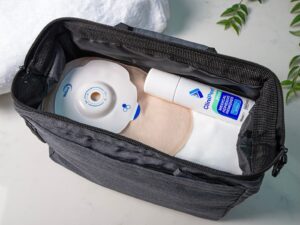

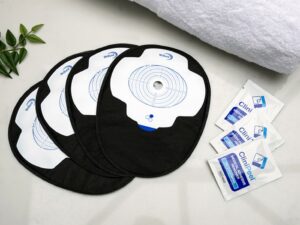

Catheter bags are a key part of managing continence when using a urinary catheter or sheath. They come in a range of types, sizes, and configurations to support comfort, discretion, and independence in your daily life.
What is a catheter leg bag?
Catheter bags, also known as urine drainage bags, are essential items in managing urinary incontinence and helping you gain independence when using an indwelling catheter or urinary sheath. Catheter bags include different types such as leg bags and night drainage bags, designed for use during the day and night.
Catheter bags are designed to be worn on the body, either around the thigh or calf, or around the waist. In some circumstances catheter bags may be hung from a wheelchair, bed or nightstand. They provide a bag to store urine, an outlet tube for emptying the bag, typically with a lever or tap to open the outlet. They will also have a tube for them to connect to your appliance.
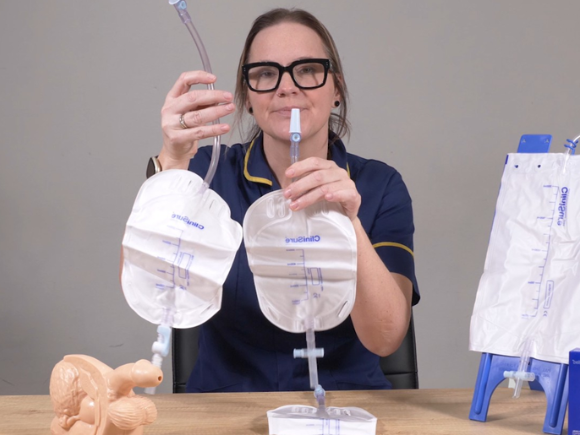
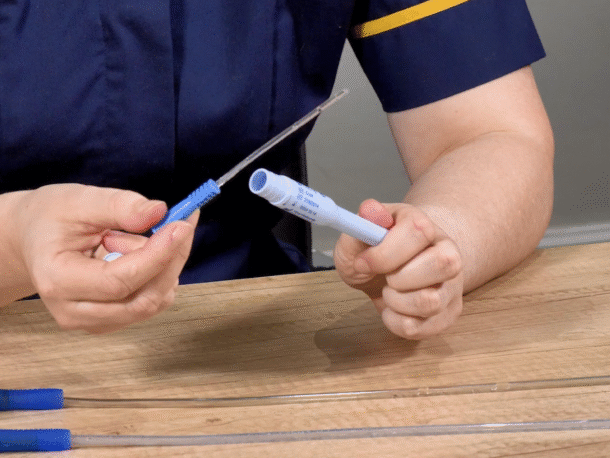
In this video, Community Continence Nurse Specialist Anna Moseley explains the different catheter bag tube lengths and why tube length matters.
View the video transcript +–
Now, the first thing you may notice about these leg bags are is the tubing is a slightly different length. It’s totally personal preference. With a longer tube, it’s going to be slightly lower down your leg and with a shorter tube, it’s going to be slightly higher. So, it’s personal preference.
So, to attach this, you are going to have some straps which go top and bottom with velcro, and you attach it onto your leg. This at the top, this cap comes off like so and you can place it onto the end of the sheath. I always tend to keep hold of these caps because when you’re not using it, you can put it
back on. Helps to keep it clean and also keeps the smell in.
All sterile night bags and leg bags can last for 7 days. And they all have a little area here where you can write so you know when the seven days is up, you would empty the weed down the toilet and you can put it in your normal household waste. Another thing that’s slightly different between the two bags is how you empty them.
So, this is a tea tap at the bottom. Slides across like so. And it empties the urine out. But you must remember to do it back up. And with this one is what we call a lever tap. And to empty this one, you just push it down like so. To empty the wee. And then again, remember to do it back up. They’ve all got a soft coating on the back as well, so it’s nice and soft against your leg, so it doesn’t get too sweaty.
Choosing the right catheter bag
Some additional features to look out for when choosing a drainage bag are:
- Length of tube – short or long, depending on where you intend to wear the bag.
- Volume guide on the bag – this shows how full the bag is, so you know when to empty it.
- Reinforced eyelets – these are really useful if you intend to hang the bag on a nightstand or similar.
- Tap style – T-tap and lever tap are the most common and these can help if you struggle with dexterity issues.
- Non-return valve – these are important in stopping any urine going back into the appliance and potentially causing infections or UTIs.
Types of catheter bags
The main types of catheter bags are leg bags, worn during the day, and night bags, used for larger capacity drainage overnight. At CliniMed, we offer a sterile and non-sterile night drainage bag as well as a sterile leg drainage bag.
How to change a catheter bag
Correctly applying or changing your catheter bag is essential to ensure comfort and avoid the risk of any leaks or blockages. Follow these steps to help you change a catheter bag safely and hygienically:
- Gather the supplies you’ll need (a new bag, sterile wipes, retaining straps, medical tube holder) and place them within easy reach
- Empty your current bag
- Wash and dry your hands thoroughly
- Disconnect the old bag carefully
- Clean the connector with a sterile wipe
- Attach the new bag securely using the standard straps if some come with the drainage bag, or new straps. If applicable, fix the tubing using a medical tube holder, such as CliniFix
- Dispose of the used bag in an appropriate place
- Wash and dry your hands once more
Before you attach the bag to your leg or stand make sure the drainage tap is fully closed.
Follow your healthcare professional’s advice on how often to change a catheter bag, as this can vary depending on your needs. You should not exceed the guidance from your catheter bag manufacturer.
For indwelling catheter users – only a sterile drainage bag should be connected directly to the catheter.

Where and how to attach a catheter bag
This section includes guidance on how to strap a catheter bag to your leg securely and comfortably.
Begin by thinking about where you’d like to place the bag. A drainage bag needs to be placed lower than the appliance you use and your bladder to allow the urine to correctly drain.
Common placement is on the leg, this could be around the thigh or calf. Consider things like the clothing you’ll wear, the activities you do and the ease of monitoring and draining the bag when worn there.
Once you know the location you’d like to wear the bag and chosen a product with the correct length of tubing, thread the elasticated straps through the slots on the top and bottom of the bag. Wrap the straps around your leg fastening them when they are tight enough to hold the bag in place but not tight enough to cause discomfort. At this point try and move a little bit in a way that is typical for you to make sure that the tube doesn’t pull at your catheter or sheath.
If you are experiencing discomfort, such as snagging or pulling the device, adjust the placement so you have more excess tube from your appliance to the drainage bag. If you’re worried about the tubing getting caught you can use a retaining strap or a securement device to hold the tube in place.
Don’t attempt to cut the tubing or adjust the fit this way. Some catheter bags do have adjustable tubing, but many are designed in common lengths and intended to remain sterile. If you’re unsure consult the manufacturer or your healthcare provider.

How to empty a catheter bag and can they be reused?
A common question asked by those new to urine drainage bags is can they be reused? The answer is no, but sterile bags like the CliniSure Sterile Leg Drainage Bags can be used continuously for 5–7 days before being changed, providing the closed system remains unbroken. CliniSure Sterile Night Drainage Bags can also be used continuously for 5–7 days before being changed, however CliniSure Non-Sterile Night Drainage Bags are designed to be used only once.
Do I need to clean my drainage bag?
No, wherever possible a closed, sterile, continuous urine drainage system should be used as per NICE guidelines, and these do not need to be cleaned after emptying. A non-sterile bag is typically single use and should be disposed of.
How to empty your catheter leg bag
Your healthcare provider should provide some guidance on how frequently to empty your leg bag. Typically, every 2-4 hours or when the bag is two-thirds full is common. Make sure you have a container to drain the bag in, and paper towels or wet wipes.
- Wash your hands with soap and water, rinsing thoroughly before ensuring they are dry, or use an alcohol-based hand sanitiser.
- Release the straps holding your bag in place and hold the drainage tap over the toilet. Make sure that you keep the bag below your hip to help it drain.
- Open the drainage tap and let the urine drain into the toilet (or container) but do not let the tubing or spout touch anything.
- Once empty clean the drainage tap before closing it.
- Wash and dry your hands then strap the bag back into place.
Catheter bags have a lever tap or a t-tap which open in slightly different ways. If you’re new to using a catheter bag or have recently switched to a different brand make sure you familiarise yourself with the type of tap the bag you use has to make emptying easier.
How often should I empty my leg bag?
This will vary from person to person and will depend on how much urine you release during the day.
In this video, Community Continence Nurse Specialist, Anna Moseley explains how frequently a leg bag should be emptied and why regular emptying is important for comfort and safety.
View video transcript +–
So, how often should you be emptying your leg bag? Now, this particular one holds 500 mls. Now, it does depend on how much water you pass in the day. In my opinion, I would be thinking about 250, 300 mls trying to get to some facilities to empty your leg bag. It does go up to 500 mls, but the more you get in there, you’re going to be able to see it through your clothing. And the risk is the more than 500 ms, it could back up the tube and it could cause you issues with leaking. So to minimise that risk, I’d be emptying this every 3 to four hours or if it gets to about 200, 300 mls.

How often should I change my catheter bag?
As previously mentioned, most leg bags which are sterile can be used continuously for 5-7 days and non-sterile bags, typically for night-time are a one-time use product.
Whether you use a non-sterile or sterile catheter bag can be a matter of personal comfort or lifestyle but there may be other factors that affect your choice. For example, if you have an indwelling catheter, you should only use sterile catheter bags to connect directly to your catheter to minimise the risk of infection. A non-sterile night bag can be connected to a leg bag overnight.
You should always follow the recommendations of healthcare professionals and the instructions provided by the product manufacturer.

What are night drainage bags?
Night bags are designed to offer greater capacity and therefore comfort while you sleep. As they can store a larger volume of urine than a leg bag, they can help you avoid having to get up during the night to empty your bag.
The night bag can connect either to your leg bag or directly to your catheter or sheath. It has longer tubing than a leg bag giving you extra flexibility and to allow for movement in your sleep.
You can use a night bag stand to help safeguard against spillages and kinks forming in the tube. In the morning (depending on whether you connected the night bag to your leg bag or directly to your catheter or sheath) you can simply disconnect the night bag.

Our catheter bag range and accessories
Now you know all there is to know to begin your journey using a urine drainage bag why not explore our range of bags and accessories and request a free sample. Don’t forget that SecuriCare, our free 5 star home delivery service can provide all continence products from any brand direct to your door. There’s also our CliniMed careline, on-hand to provide any advice you might need about products or your care routine.


Get Support
Need help choosing the right product or managing your continence routine?
Support and resources
Find lots of helpful tips for living with incontinence in our resource library.
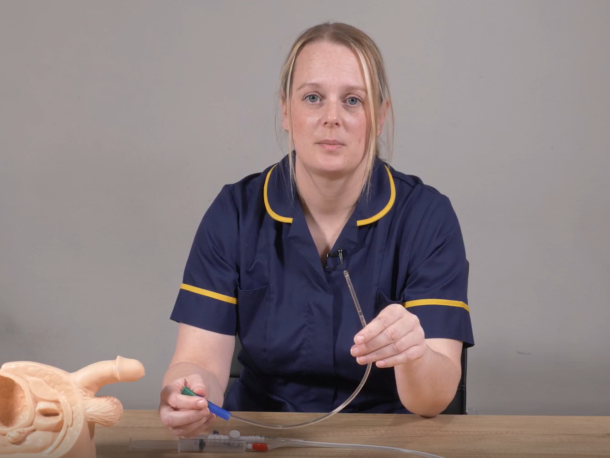
How to self-catheterise
Learn how to self-catheterise safely and comfortably with this step-by step guide.
Guide to self-catheterising
Explore the differences between gel and hydrophilic catheters, the Curan catheter range and tips for living with ISC.

Bladder diary
Track daily activities, fluid intake and bathroom visits to gain insights into your urinary patterns.

Urinary incontinence catheter care guide
Get advice on living with a catheter, including helpful tips, solutions to common challenges and how to gain confidence.