

On this page, we provide an overview of the six main types of urinary incontinence: stress, urge, overflow, mixed, total and functional. Learn about the symptoms associated with each type, as well as the treatment and management options that may help. We also offer guidance on when to seek medical advice and a free bladder diary to help you prepare for your first appointment with your doctor.
Types of urinary incontinence and their symptoms
There are six types of urinary incontinence, and they each present different symptoms:
Stress incontinence
The main symptom of stress incontinence is leaking. This could vary from a small dribble or a bigger leak, depending on how much pressure is on your bladder.
- Leaks most commonly happen during physical activities, like coughing, sneezing or lifting. Living with this type of incontinence can affect your daily life and emotional wellbeing as there are no warning signs that a leak is going to occur.
Urge incontinence
Urge incontinence is often associated with an overactive bladder. Symptoms can include:
- Needing to urinate/pee more frequently
- A sudden uncontrollable urge to pee, often followed by leaking
- Waking up several times in the night to pee (referred to as nocturia)
- Only passing small amounts of pee
Overflow incontinence
Symptoms for overflow incontinence include:
- Leaking or dribbling constantly throughout the day and at night
- Difficulty peeing – releasing small amounts or not being able to pass any pee at all
- Feeling like your bladder is always full, even after you have peed
Total incontinence
Total incontinence is when you’re unable to hold any amount of pee in your bladder. The main symptom of total incontinence is leakage. This can cause constant big leaks or occasional big leaks with smaller leaks happening more regularly.
Functional incontinence
Functional incontinence is when a person has normal bladder control, but cannot get to the toilet in time due to physical, cognitive, or environmental barriers. Symptoms for functional incontinence include leaking or dribbling.
Mixed incontinence
Mixed incontinence refers to a combination of both urge and stress incontinence and experience symptoms of both types. For example, you might experience leaks during physical activities (stress incontinence) and have sudden, strong urges to pee (urge incontinence).
Stress incontinence vs urge incontinence
The easiest way to separate stress incontinence from urge incontinence is by understanding the associated leaking.
Stress incontinence causes leaks when pressure is placed on the bladder, such as during laughing, coughing, or lifting. Unlike urge incontinence, it is not associated with a strong or sudden urge to pee.
People who have urge incontinence experience leaks after an intense need to pee. As this urge is sudden and overwhelming, it can make getting to the toilet in time difficult. when a person can’t reach the toilet in time.
| Stress incontinence | Urge incontinence | |
| Trigger | Physical activity | Sudden urge to pee |
| Leak | Usually small | Often on the larger side |
| Common in | Women after childbirth | Older adults |

Urinary incontinence treatment and management
Incontinence treatment and management isn’t usually a one‑size‑fits‑all process, as everyone’s symptoms and needs are different. The treatment plan you’re given may involve a combination of approaches to help improve control and confidence, including:
Pelvic floor (kegel) exercise
If you have incontinence, you are likely to be recommended to do pelvic floor exercises (kegel exercises) to manage your condition.
These exercises work on strengthening pelvic floor muscles and the urinary sphincter (a ring of muscle around the urethra that supports the flow of pee) to improve bladder control and function.
By doing these exercises regularly, you will start to see an improvement in your symptoms. As the muscles get stronger, they will be able to cope with physical exercises like coughing or sneezing and leaks will be less likely to occur.
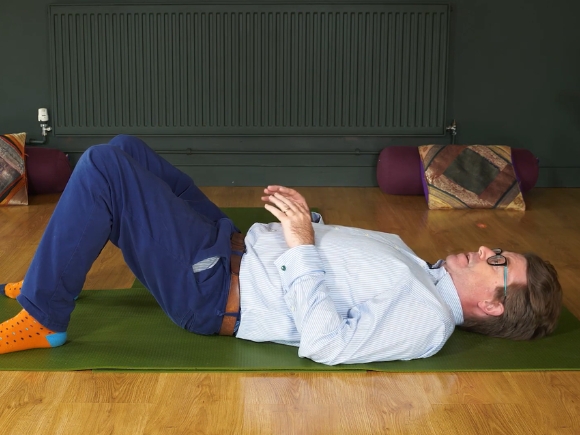
In this video, specialist physiotherapist, Gerard Greene demonstrates lying down pelvic floor exercises for men.
Medication and surgery
In some cases, you may be prescribed medication for your incontinence. These medications are used to relax the bladder muscles or to slow down bladder contractions. Your healthcare professional may give you anticholinergics/antimuscarinics, if these don’t work they may consider Botox injections directly in your bladder.
A lot of people with incontinence will see an improvement without surgery. Surgery is usually only considered if other options (lifestyle changes, exercise and medications) have been unsuccessful as there are side effects of surgery. Some types of surgery also can fail if you become pregnant or give birth.
Lifestyle changes
Making certain lifestyle changes can help make a difference to your symptoms and improve your bladder health, such as:
Limiting alcohol and caffeine
Reducing, or stopping smoking
Being physically active
Maintaining a healthy weight
Drinking enough fluids
Download the CliniMed nutrition guide for people with incontinence to learn how you can adopt a bladder-friendly diet. Written with dietitian Ruth Kander, this guide offers advice on beneficial foods, hydration, and lifestyle choices.

Continence products
Catheters
Catheters are flexible tubes that are inserted into the bladder to allow pee to drain freely. There are two types of catheters: intermittent and indwelling.
Intermittent catheters are used in cases where the bladder does not empty completely on its own. They are temporarily inserted into the bladder when the pee needs to be drained. The catheter is then removed once the bladder is empty. This method may help to prevent Urinary Tract Infections (UTIs) and kidney problems. Learn more about intermittent catheters with our guide to self-catheterising.
Indwelling catheters are left in place for extended periods (4–12 weeks, depending on the device), either through the urethra or via a suprapubic route, which involves a small incision in the lower abdomen. While indwelling catheters are typically considered a last resort due to higher infection risks, the suprapubic option offers easier management and a reduced infection rate for long-term use.
Sheath systems
Urinary sheaths are also called condom catheters and like a condom they are worn over the penis. The silicone material sticks snugly around the penis and the end is attached to a tube and drainage bag which can be fixed to the thigh or lower leg. Because they are worn on the outside there is less risk of infection compared to an indwelling catheter.
Vaginal devices
Are designed to help with stress incontinence. They work by putting a little pressure on the bladder neck which helps to prevent leakage. They are ideal for women who perhaps only leak when they play sport but should be used with the advice of a Continence Nurse or physiotherapist.
Ring pessaries
These are sometimes inserted for uterine prolapse and can also help with incontinence. There are a wide range of pessaries available, and some are specially designed to help with stress incontinence.
Incontinence pads and handheld urinals
Incontinence pads or underwear help to absorb pee. They are suitable for all genders and vary in size and absorbency.
Handheld urinals enable people to relieve themselves when they are unable to reach a bathroom due to mobility issues or incontinence. There are many types of handheld urinals available, some with drainage bags attached for ease of use.
If you have incontinence, speak to your GP who will help you find an appropriate product to manage your condition and symptoms. It is best to speak to a professional and explore the different options to make sure you have the best product for you and your needs.
When to seek help
If you have had symptoms for a long time, the symptoms are impacting your daily life or you’re finding your symptoms harder to manage, you should go and see your GP, continence service or healthcare professional.
Urinary incontinence isn’t something you have to deal with alone. Your healthcare professional can help you understand your symptoms, potential triggers and what the underlying cause of your incontinence is. Your healthcare professional will also be able to recommend ways to manage your condition and how to improve symptoms – sometimes it’s just simple lifestyle changes that can make a big difference.
Before you speak to a professional, look into getting your own bladder diary. In the diary, you can document your fluid intake, how often you need to pee and how much pee you are able to pass throughout the day and night. It also allows you to note down any leaks you may have and how big the leak was. You can bring this with you to your initial appointment.
All of these insights will help your healthcare professional identify any issues and provide advice on how to manage and improve your symptoms.
Key takeaways
There are six types of urinary incontinence: stress, urge, overflow, mixed, functional and total incontinence
Incontinence symptoms can include: needing to pee more, leaks, a sudden urge to pee and difficulty peeing
Pelvic floor (kegel) exercise can help strengthen your pelvic floor muscles and improve bladder function
Medicines such as anticholinergics/antimuscarinics or Botox injections may be given to manage incontinence
Surgery is often a last resort to treat incontinence and carries side effects
Making healthy lifestyle choices (e.g. stopping smoking, being physically active) can help improve your symptoms and bladder health
Popular continence products are continence pads, urinary sheaths and catheters
Frequently asked questions
Bladder training consists of a fixed schedule to empty your bladder. The aim of this training is to set specific times to go to the toilet, rather than rushing when you feel an urge or going to the toilet ‘just in case’.
When you do feel an urge to go, try to delay going to the toilet for a few minutes. You can use pelvic floor exercises or simple distractions to help you hold on.
If you practice this consistently, you can train your bladder to hold pee for longer, reducing symptoms of urge incontinence.
There is no guaranteed way to prevent urinary incontinence but there are steps you can take to reduce the risk of developing it:
- Practice pelvic floor exercises
- Cut down on alcohol and caffeinated drinks like coffee or tea
- Eat bladder-friendly foods
Yes. A TENS (transcutaneus electrical nerve stimulation) technique can help to relieve symptoms of incontinence. At CliniMed, we have a product called Tensi+ that uses electrical impulses to stimulate the tibial nerve. It is an easy to use and non-invasive treatment for incontinence.
It depends what the underlying cause of your incontinence is. For people with functional incontinence, it may be a nerve or neurological condition causing their incontinence which is there is likely not a cure for.
However, incontinence can be cured in many cases and if not cured, symptoms can be significantly improved.
Depending on the type of incontinence you have, lifestyle changes, medication or pelvic floor exercise can help to treat your condition.
If you have a weak pelvic floor, you may experience leaks during physical activity, such as lifting or coughing (stress incontinence).
However, if your pelvic floor is too tight, you may experience pain when peeing or difficulty peeing in general. If your pelvic floor is too tight, you may also experience pain during sex or a deep ache in your pelvis.
Support and resources
Find lots of helpful tips for living with incontinence in our resource library.

Common causes of incontinence
Discover what causes each type of urinary incontinence and how they affect both men and women.
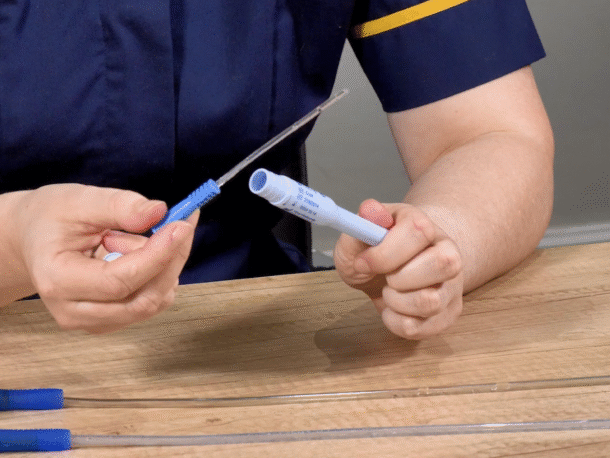
Guide to self-catheterising
Discover helpful tips for living with ISC, along with answers to common questions and concerns.

Bladder Diary
Track daily activities, fluid intake and bathroom visits with our free downloadable bladdery diary.

Prostate-related urinary incontinence
Learn how the prostate affects bladder control, common prostate-related causes of urinary problems, diagnosis and treatment options.