

Parastomal hernias are common, occurring in more than half of people who have a stoma.1 In this page, we will explain some of the steps you can take to reduce the risk of developing a parastomal hernia and share advice about managing a parastomal hernia if one has developed.
What is a parastomal hernia?
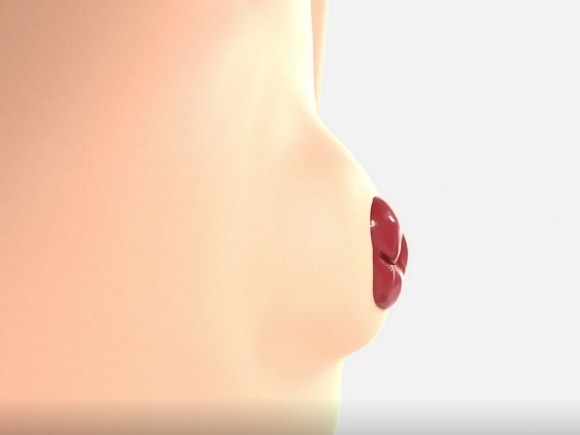
A parastomal hernia (also known as a stoma hernia or stomal hernia) is a bulge or swelling that forms around or behind the stoma. It develops when the muscles in the abdominal wall split due to a weakness caused by surgery. The bowel and tissue next to the stoma push through the abdominal wall causing a bulge around the stoma.
Parastomal hernias often develop slowly and may change in size over time, and may occur soon after surgery or after many years.
Parastomal hernias are very common, up to 70% of people with a stoma will develop one.1 The risk of developing a parastomal hernia increases with age and is more common in people who have large stomas.
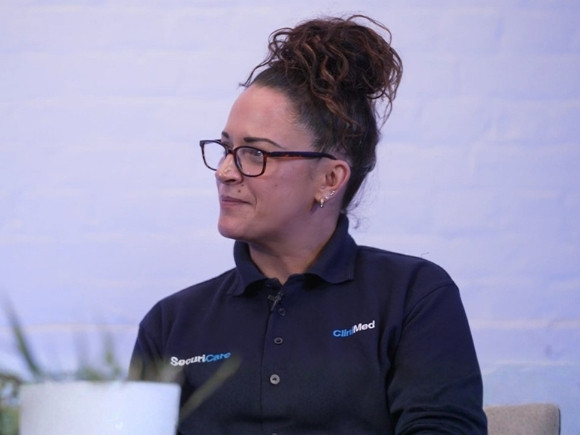
In this video, SecuriCare Educational Support Worker, Sarah Brown discusses what a parastomal hernia is, symptoms and who to speak to if you’re concerned.
View the video transcript +–
So when you have a stoma created, you’ve got a weakness through your abdomen wall and what happens is is that your bowel can push against that area and make it protrude. So it’s like a swelling underneath the stoma site. And is that something that can happen at any point after surgery? Definitely. Yes, it can.
What are the sort of things that somebody should look out for? So a protruding, sort of swelling area sort of underneath the stoma or around the stoma site.
And is that something that would you speak to your Stoma Nurse? Would you go to a GP? Where would you go if you were worried about that? I would encourage patients to speak to their Stoma Nurse or you could speak to a GP. But definitely the Stoma Nurse would be a you know good point of contact.
What causes a parastomal hernia?
Parastomal hernias develop because of a weakness in the abdominal muscles caused by stoma surgery. When a stoma is created, part of the intestine is brought out through the abdominal wall. During surgery an incision is made in the muscle which can cause weakness. Over time, pressure inside the abdomen can push bowel or tissue through this area.
Developing a hernia does not mean you did anything wrong and it doesn’t mean your surgery failed.
Some factors can increase the chance of developing a parastomal hernia:
Lifestyle e.g. smoking or being overweight
Weak abdominal muscles
Coughing and sneezing
Constipation
The type and placement of the stoma
The natural healing process after surgery
Parastomal hernia prevention
You cannot fully prevent a parastomal hernia, but there are steps you can take to reduce the risk by supporting your abdominal muscles and reducing strain. These small, regular changes can make a big difference over time.
Rebuild core strength
Improving core strength helps reduce pressure within the abdomen. Gentle breathing and movement exercises support the coordination of the abdominal muscles and pelvic floor, helping you move more safely and with less strain.
Use safe movement techniques
Moving safely during everyday activities, such as lifting, bending, or exercising, can reduce stress on the abdominal wall and lower abdominal pressure.
Manage your weight
Carrying excess weight increases pressure in the abdomen. Maintaining a healthy weight can help reduce strain on the abdominal muscles.
Stay active
Regular activity supports weight management and helps build overall strength and stability. This can reduce abdominal strain during movement and daily tasks.
Support your abdomen
Taking steps to support your abdomen can reduce strain, including:
- Using a folded towel or small pillow over your abdomen when coughing or sneezing
- Preventing constipation by drinking enough fluids and eating a fibre‑rich diet
- Stopping smoking to support collagen production and abdominal muscle strength
- Support garments can be helpful, but they should not replace building your own core strength, which is key to reducing risk
If you develop a parastomal hernia and it feels uncomfortable, please seek a review with your Stoma Care Nurse who can review your abdominal movements and potentially recommend additional support wear.
These strategies may also help prevent an existing parastomal hernia from increasing in size.
Parastomal hernia symptoms
It is usually fairly easy to tell if you have a parastomal hernia due to physical symptoms. You may notice:
A bulge or swelling behind the stoma or around the stoma site
Discomfort during activities that put pressure on the abdomen, e.g. lifting, coughing or sneezing
Your stoma pouch no longer fits, or stops working, e.g. if output is leaking from your pouch
If you think you may have a parastomal hernia, speak with your Stoma Care Nurse. They will assess the area and if necessary, provide advice about managing the hernia. If your hernia changes suddenly in size, becomes painful, or affects stoma function, seek clinical advice.
Exercise and daily activity with a parastomal hernia
The World Health Organisation (WHO) guidelines recommend that everyone should do a minimum of 150 minutes of moderate physical activity per week, including two sessions of muscle strengthening exercise.
After having stoma surgery, it’s recommended that you gradually return to normal activities and exercise while practicing core rehabilitation. Everyone’s recovery journey is different and the return to normal activities will depend on the nature of your surgery and your own individual factors.
Some people with a parastomal hernia may worry that exercising will make it worse, however, exercise is encouraged and brings more benefits than risks.
Exercise should always feel comfortable and controlled. Make sure you pay attention to your body and be aware of different sensations. Some minor discomfort can be normal and modifications to activity required, but if there is severe and prolonged pain then seek medical attention.
Posture, core engagement and breathing
Safe movement and exercise which incorporates correct technique, breathing techniques and core engagement is important for reducing the risk of developing a parastomal hernia or for preventing a hernia from getting larger.
In this video, qualified Body Control Pilates instructor Andy Hansen explains how to lift safely with a stoma. He highlights the importance of posture, core engagement and breathing in reducing abdominal pressure.
View the video transcript +–
So when I’ve when I’ve got something heavier to lift, I’ve got shopping bags, I am always a bit nervous. So is this something that you would use in all through your day, so before I’m going to lift these bags, I’m going to think about my core?
You would yeah. You would want to think about your core. you would want to think about breathing out as you take the heavy load so you’re reducing intraabdominal pressure and again your posture you know you don’t want to be leaning forward and picking the bags up like that you know you want to be really hinging at the hips keeping the weight close to the center of your body.
All of that’s going to reduce the pressure on the abdominal area.
CliniMed Breathing and Movements programme
The Breathing and Movements programme is designed to help you rebuild strength, move with confidence, and protect the body after abdominal surgery.
Learn how to move safely with expert guidance and exercises that reduce pressure on the abdomen. With defined, easy-to-follow phases, explore breathing, core connection, strength, and stability, supporting recovery and the return to everyday life.
In this video, Shelly describes how she found the programme and the positive impact it made to her rehabilitation.
Suitable for people with or without a parastomal hernia.
View the video transcript +–
So tell us about starting the programme you said that at first you felt like well I’m just breathing. Yeah.
Tell us a bit about how you felt starting it and how you felt then progressing through the levels. Yeah so it was quite scary to, it’s scary knowing that point when to start but you just have to sort of like bite the bullet, go for it. If it feels okay, go for it a bit more kind of thing.
I just I found that my recovery after my second surgery as opposed to my first was a lot quicker. and yeah from as soon as I got started doing the movements and the breathing so it’s just you progress. The programme is it’s all explained. I just read it.
So you started off with five repetitions once that’s feeling comfortable, increase it slightly until you get up to the 20. Then when that’s feeling comfortable then move on to the next stage and I think it took a number of weeks. But it was just like I could just feel myself getting stronger and more confident as you say you know as time was passing.
I think it is that confidence that you need. That it’s like yeah just knowing that you are going to get back to being able to live your life completely as you did before.
Parastomal hernia repair
Most parastomal hernias do not need surgery. Surgery may however be discussed if a hernia causes ongoing pain or a big impact on quality of life.
You can discuss hernia repair surgery with your surgeon, including the available options, success rates, and the risk of recurrence. Surgery is not always a permanent solution and hernias can reoccur. It’s also important to consider potential risks such as pain, infection, and injury. You may wish to weigh up whether your parastomal hernia is affecting your health and wellbeing enough to consider further surgery.
Designed for parastomal hernia
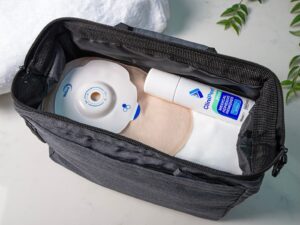
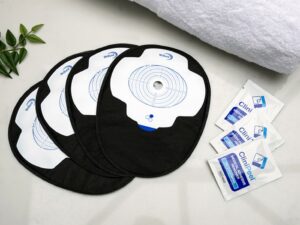
Aura Profile stoma bag
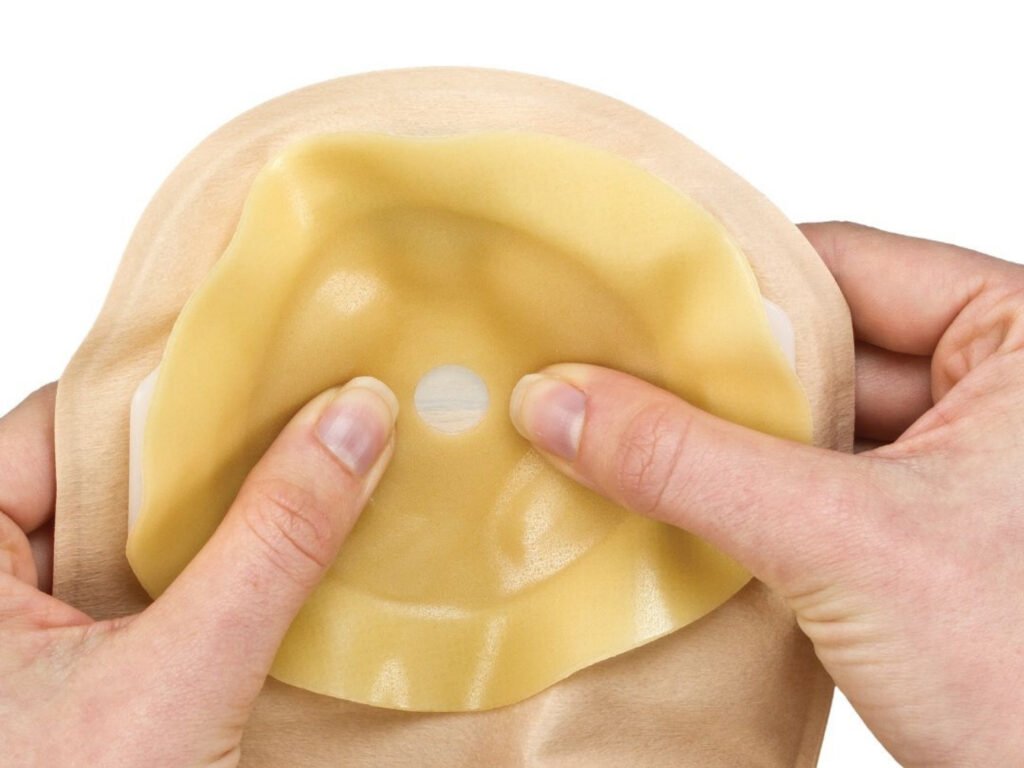
Aura Profile has a flexible and adaptable flange that mirrors the body’s natural curves, specifically designed to provide a secure fit around parastomal hernias.
Flexible flange shapes around the contours of a parastomal hernia and provides security by adapting to the body’s profile
Provides reliable adhesion to other peristomal irregularities, such as scars, creases or skin folds
Infused with Manuka honey and dermatologically accredited by Skin Health Alliance, demonstrating the highest standards of skin safety
Key takeaways
Having a parastomal hernia does not mean giving up activities you enjoy. With the right support, products, and advice, you can absolutely manage a parastomal hernia and lead an active life. Focus on what you can do and ask for help when you need it.
Parastomal hernia is a bulge or swelling that forms around or behind the stoma
Parastomal hernias occur as a result of weakness in the abdominal muscles from stoma surgery
You can’t fully prevent a parastomal hernia, but you can reduce the risk by minimising strain on abdominal muscles
Minimise hernia risk by rebuilding core strength, using safe movement techniques, staying active, managing your weight and supporting your abdomen
The CliniMed Breathing and Movements programme is designed to help you rebuild strength, move with confidence, and protect the body after abdominal surgery
Parastomal hernia symptoms include: bulging, discomfort during activities that put pressure on your abdomen and poor fit or function of your stoma pouch
CliniMed’s Aura Profile stoma bag has been designed specifically to support parastomal hernias
Speak to your Stoma Care Nurse if you think you may have a parastomal hernia
Frequently asked questions
Not always. Parastomal hernias vary between people. Some stay the same size for years, while others may gradually increase, particularly if the abdominal wall is under strain. Even if a hernia grows, it does not necessarily cause problems.
Usually not. Parastomal hernias are common after stoma surgery and are often managed without surgery. Many people have no symptoms or complications. Medical help is needed if the bowel becomes trapped, known as strangulation.
Yes. Staying active is recommended for overall health and wellbeing. Safe, appropriate exercise does not worsen hernias and may help slow progression. Avoiding activity can weaken the abdominal muscles and affect quality of life.
Only if you are experiencing problems. A hernia can change the shape of the abdomen and stoma, affecting pouch fit. If this causes leaks or sore skin, alternative products may help.
Most do not. They are usually managed conservatively through activity modification, core strengthening, support garments, and stoma care adjustments. Surgery is generally considered only if symptoms significantly affect daily life or complications occur.
Look for increasing size, discomfort, changes in stoma function, or difficulty keeping a secure pouch. A Stoma Care Nurse can assess any changes.
Support garments can help during activities but should not replace building core strength. Your Stoma Care Nurse can advise on when and how to use them.
Parastomal hernias do not usually disappear, but many remain stable and manageable with the right support and self‑care.
References
- Colostomy UK, What is a Parastomal Hernia? [Website] https://www.colostomyuk.org/information/stoma-problems/parastomalhernia/ (Accessed 23 January 2026)
Support and resources
Find lots of helpful tips for living with a stoma in our resource library.

Exercising with a stoma
Understand how to exercise safely with a stoma and gain tips for keeping your stoma bag secure.
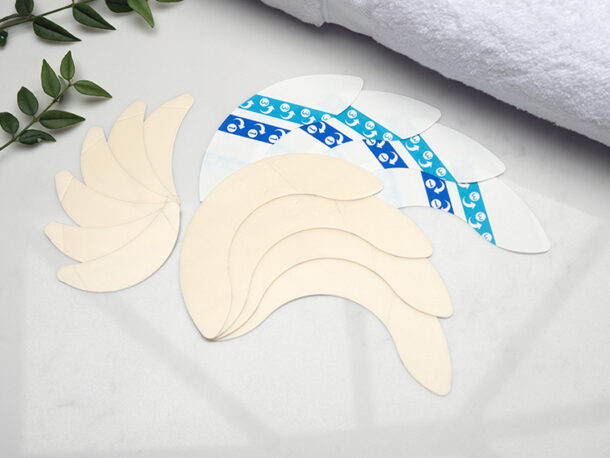
Your guide to stoma flange extenders
Discover how stoma flange extenders can improve adhesion, add security and prevent leaks around your stoma bag.

Sexual wellbeing guide
This guide offers reassurance for people with stomas and their partners so that they can explore intimacy with confidence.

Emotional wellbeing guide
This guide explores practical tools and strategies to help you take care of your emotional wellbeing while living with a stoma.