

Andrew*, a retired man with type 1 diabetes and an ileostomy received treatment for mucocutaneous separation which was observed during an initial post-operative review in a community setting.
Managing Post-Operative Mucocutaneous Separation With Hydrocolloid Mouldable Seals
*The case study presented is based on real patient experience; identifying details have been anonymised to protect patient confidentiality.
Authors: Louise Harrison, Community Nurse Specialist, SecuriCare Medical
Clinical Need: Mucocutaneous separation was observed with partial detachment of the mucosa from the peristomal skin
Care Pathway: HyperSeal® Mouldable Seals with Manuka Honey
Andrew, not his real name, had an end-ileostomy formed following an Abdominoperineal Resection of Rectum (APER) and removal of ileoanal pouch. Mucocutaneous separation was observed with partial detachment of the mucosa from the peristomal skin, which was treated with hydrocolloid mouldable seals.
Patient assessment
Andrew is retired and lives alone. Andrew manages Type 1 Diabetes and uses an insulin pump and has a history of Ulcerative Colitis. Otherwise he is fit and well, enjoying being outdoors and going for walks. He was in hospital for one week following stoma surgery, before being referred for ongoing community support following discharge from hospital. During the initial post-discharge assessment, it was observed that there was mucocutaneous separation with partial detachment of the mucosa from the peristomal skin. During the assessment Andrew appeared anxious, explaining that he was concerned about being able to return to walking and the other activities that he enjoys.
Clinical need
Treatment was required to manage the mucocutaneous separation. Andrew was using a stoma pouch with a flat flange without any issues. Two options available for this degree of mucocutaneous separation were to change to a stoma pouch with a soft convex hydrocolloid flange, or to add a hydrocolloid mouldable seal to the stoma care routine. These clinical interventions aimed to cover the affected area, creating an environment suitable for wound healing and reducing the risk of leakage which could impact treatment.
Care pathways
Andrew was happy with the stoma pouch with a flat flange, opting to add a mouldable seal which could then be removed from the pouch change regimen once the mucocutaneous separation had been treated and when the skin had healed. Andrew was provided with a supply of HyperSeal Mouldable Seals to last two weeks, with a follow up appointment being made for this time.
Clinical outcome
After two weeks, there was a clear improvement in the mucocutaneous separation and the wound bed appeared much heathier with signs of healing and no evidence of further damage to the peristomal skin.
As Andrew was still in the initial post-operative period, his stoma was still reducing in size. This was observed when the stoma was remeasured during the appointment. Due to the use of the mouldable seals, the area around the stoma had been protected and not exposed to any stool and exudate from the wound, ensuring that the peristomal environment was optimised for wound healing.
Some non-absorbable sutures were identified during this review. These were removed and covered with the mouldable seal, protecting the area which had some bleeding and helping to aid pouch adhesion. Another appointment was booked in two weeks’ time to review the area again.
During the third visit, the mucocutaneous separation had healed. The HyperSeal Mouldable Seals were then removed from Andrew’s stoma care routine, who was managing well using a flat stoma pouch.
Overview
HyperSeal Mouldable Seals with Manuka honey had a positive effect on the affected area with mucocutaneous separation. Andrew was starting to return to his outdoor activities after the first appointment, enjoying the things he used to do before his surgery. By the end of the third appointment, the mucocutaneous separation was observed to have fully healed and Andrew’s peristomal skin appeared much healthier, reducing discomfort and anxiety.
This case study demonstrates how the use of additional stoma products in the short term can support the positive management of post-operative complications.
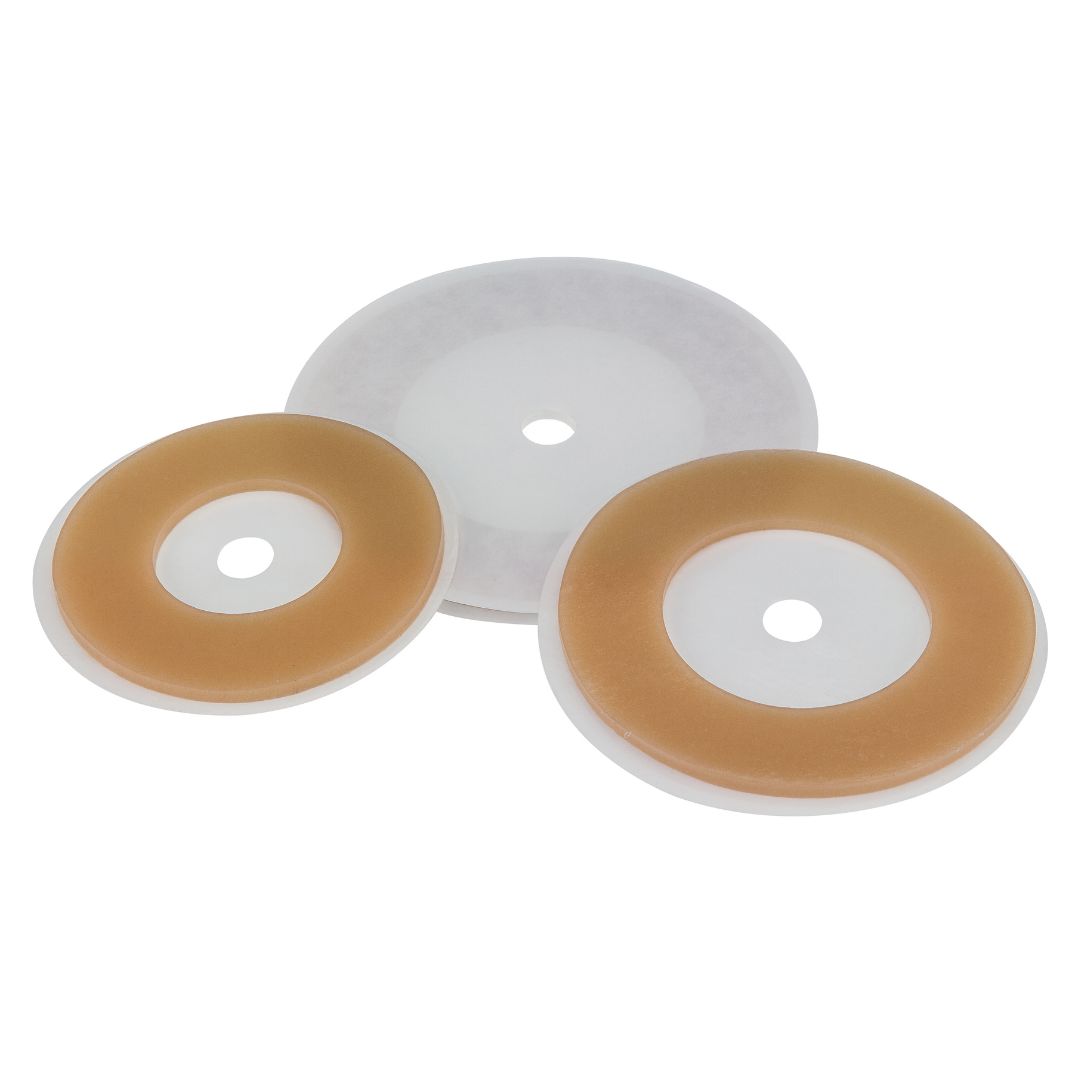
In this example, HyperSeal Mouldable Seals helped to cover the affected area to allow a positive environment in which the skin could heal. The hydrocolloid formulation is highly absorbent and is made from all natural, food-grade ingredients, helping to reduce the risk of sensitivity and irritation.