

Endometriosis is a common condition affecting women during their reproductive period. In this page, we will cover the different types of endometriosis, common symptoms and overlapping conditions. Find out what the journey to getting diagnosed looks like, when to seek help and the different ways you can manage the condition.
Note to readers: According to research from AgeUK, the word “pee” is generally preferred, so we’ve used it consistently throughout this page.
Who does endometriosis affect?
Endometriosis impacts women who are in their reproductive period (from puberty to menopause). Most commonly, the condition affects women aged 20–40 but it can also occur during the teenage years.
Endometriosis is a common condition, affecting 1 in 10 women in the UK.1
You may be at a higher risk of developing endometriosis if you:
Have a relative who has been diagnosed with the condition
Have shorter menstrual cycles
Experience heavy bleeding during your period, or longer periods (lasting more than 8 days)
Have not had children

Types of endometriosis
Endometriosis is a condition where the tissue similar to the lining of the uterus (endometrium) grows outside of it. It is commonly found on the ovaries, fallopian tubes and pelvic tissue.
The type of endometriosis you have will depend on where the endometriosis is on the body and how big it is. There are four main types of endometriosis and it is possible to have more than one type at the same time:
Superficial peritoneal endometriosis (SPE)
Superficial peritoneal endometriosis (also known as superficial endometriosis) is the most common type out of the four. This is where the endometriosis grows on the membrane that lines the pelvis and surrounds the pelvic organs. If you have superficial peritoneal endometriosis, your symptoms might include intense pelvic pain, cramping or heavy bleeding during your period.
Ovarian endometrioma (OMA)
Ovarian endometrioma is also referred to as ‘ovarian endometriosis’ or a ‘chocolate cyst’. This type of endometriosis is when a dark, chocolate-like cyst develops within the ovaries. Women with ovarian endometrioma may experience persistent pain in the lower back, bloating, pelvic pain that worsens during your period or pain during and after sex.
Deep infiltrating endometriosis (DIE)
Deep infiltrating endometriosis (also called deep endometriosis) is found deep into the pelvic organs, most commonly in the bowel or the bladder. This endometriosis is deeper than superficial peritoneal endometriosis and can present unique symptoms. As this impacts the bladder or bowel, you may experience pain when going to the toilet, or urinary issues, like needing to pee more frequently.
Abdominal wall endometriosis
Abdominal wall endometriosis is also called extra-pelvic endometriosis. This type of endometriosis grows within or along the abdominal wall and can be found within or near surgical scars, (particularly caesarean/C-section scars). If you have abdominal wall endometriosis, you may have a hard lump or swelling near your surgical scar, bloating or pain in the abdomen.
Common symptoms of endometriosis
Not everyone will experience the same symptoms of endometriosis and some people might not experience any symptoms at all.
Some of the most common symptoms for endometriosis include:
Pelvic pain
Heavy bleeding during your period
Pain during or after sex
Pain when going to the toilet (having a pee or a poo)
Difficulty getting pregnant
Extreme tiredness/fatigue

If you have endometriosis, these symptoms often get worse before or during your period, especially pain.
Bladder and bowel endometriosis
Endometriosis can grow on the outside of the bladder or inside the bladder wall which can affect the functioning of your bladder.
The irritation and pressure from the endometriosis can cause urinary incontinence, most commonly urge incontinence.
If endometriosis is growing on or inside your bladder, you may experience the following symptoms:
- Sudden uncontrollable urge to pee
- Pain when your bladder is full
- Seeing blood in your pee
Endometriosis can grow on or inside the bowel, and its severity varies from person to person.
If you have severe bowel endometriosis and you are experiencing blockages, surgery can be an option. Sometimes the surgery to remove the endometriosis can involve a temporary stoma.
If you have bowel endometriosis, your symptoms may include:
- Pain when going to the toilet/having a poo
- Pain during sex
- Constipation or diarrhoea
Endometriosis and overlapping conditions
Scroll across the table below to view all columns.
| Condition | Symptoms | Overlapping symptoms | Key differences |
|---|---|---|---|
| Irritable Bowel Syndrome (IBS) | • Stomach pains/cramping • Bloating • Changes in bowel movements, either constipation or diarrhoea | • Stomach pains • Bloating | The difference between IBS and endometriosis is that the symptoms for IBS are often relieved after going to the toilet. Endometriosis symptoms often worsen during your period. |
| Polycystic Ovary Syndrome (PCOS) | • Irregular periods • Acne or oily skin • Difficulty getting pregnant • Weight gain | • Irregular periods • Difficulty getting pregnant | Endometriosis and PCOS can seem like similar conditions due to the menstrual element. However, PCOS has distinct symptoms that endometriosis doesn’t have, such as excess hair growth and acne. |
| Adenomyosis | • Heavy bleeding during your period • Pelvic pain • Pain during sex • Intense cramps | • Heavy bleeding during your period • Pelvic pain • Pain during sex • Intense cramps | Adenomyosis has a lot of overlapping symptoms with endometriosis and so the two conditions can be confused. You can even be diagnosed with both conditions. |
| Fibroids/myoma | • Constipation • Needing to pee more than usual • Pelvic pain • Heavy bleeding during your period | • Heavy bleeding during your period • Intense period pain | Both of these conditions seem similar in terms of their symptoms. Fibroids however can cause unique symptoms like needing to pee more than usual, or experiencing pain when going to the toilet. |
Endometriosis diagnosis
Patient steps
If you think you might have endometriosis, it’s a good idea to start recording your symptoms and documenting as much information as you can. Getting to know your symptoms will help your GP better understand your concerns and prepare you for your appointment.
It takes an average 8 years and 10 months after your first appointment to get diagnosed with endometriosis.2 The condition is complex and shares symptoms with other conditions, such as adenomyosis, fibroids and IBS.
As diagnosis can take a long time, it’s important not to delay seeking help. Book an appointment with your GP and express your concerns, this is your first step towards understanding and diagnosing your condition.
Clinical steps
During your appointment, your GP will ask you about your symptoms, medical history and whether anyone in your family has endometriosis. At this first stage, they may do a blood test or examine you. The examination could be internal (vaginal) or a simple examination of your abdomen.
If your GP thinks you may have endometriosis, they may refer you to a specialist to conduct more tests and prescribe medication to improve your symptoms.
A specialist may use a combination of methods and tests to diagnose endometriosis, these could include:
An MRI scan
An ultrasound scan
A laparoscopy (a procedure that involves inserting a camera into the abdomen)
Endometriosis treatment and management
There currently is no cure for endometriosis but there are ways to manage your condition and improve your symptoms. Your healthcare professional will review your age, symptoms and the severity of your condition when working out what treatment would work best for you.
Common treatment and management options include:
Hormone treatments
The combined contraceptive pill, the coil or progestogens (progesterone hormones)
Surgery
Removal of the endometriosis, removal of the womb (hysterectomy) or removal of the ovaries (oophorectomy)
Pain relief and medication
Painkillers like ibuprofen or paracetamol, physiotherapy or applying heat (such as a hot bath or a hot water bottle)
Dionne's endometriosis story
SecuriCare blogger, Dionne McFarlane has stage four endometriosis and has had bladder and bowel issues since her early teenage years. Since diagnosis, Dionne uses an intermittent self-catheter to manage her condition and symptoms.
In this blog, Dionne shares her endometriosis journey, her symptoms and the process of getting diagnosed.
Discover her advice to anyone who is dealing with symptoms and how she manages to get support.

When to seek help
If you are experiencing symptoms of endometriosis such as severe period pain, heavy bleeding during your period, pain during or after sex, speak to your GP. If you do have endometriosis, it can take a long time to receive a firm diagnosis so it is better to speak to a professional early on.
You should also seek help if your symptoms are impacting your daily life or if your symptoms are getting worse. Your GP will give you advice and medication to help you manage your symptoms. Endometriosis symptoms are not something you have to put up with, seeking help is your first step to finding out what is really wrong.
If you think you have endometriosis, you can also get support and advice from local charities like Endometriosis UK and The Endometriosis Foundation.
Key takeaways
Endometriosis impacts women in their reproductive period (from puberty to menopause)
There are four types of endometriosis: superficial peritoneal, ovarian, deep infiltrating and abdominal wall endometriosis
Common symptoms include: pelvic pain, heavy menstrual bleeding, pain during or after sex and difficulty getting pregnant
Conditions that can overlap with endometriosis include PCOS, IBS, adenomyosis, and fibroids
Tests to get diagnosed with endometriosis are: An MRI scan, an ultrasound scan, a laparoscopy
Endometriosis can be managed by hormonal treatments, surgery or pain relief and medication
References
- Endometriosis UK, Endometriosis Facts and Figures [website] https://www.endometriosis-uk.org/endometriosis-facts-and-figures. Accessed 2 February 2026.
- Endometriosis UK, Getting diagnosed [website] https://www.endometriosis-uk.org/getting-diagnosed-0. Accessed 2 February 2026.
Frequently asked questions
Having a hysterectomy will not cure endometriosis but it can improve your symptoms as this will stop you from getting periods.
As endometriosis can grow outside of the womb, having your womb removed may not improve all of your symptoms.
Before proceeding with a hysterectomy, it is important to weigh up the pros and cons of the surgery with your healthcare professional. They will help you understand the benefits and risks to help you make an informed decision.
Generally, endometriosis does not cause cancer. However, there is a slightly increased risk of developing types of ovarian cancers. This increased risk is still low for people with endometriosis.
Endometriosis itself doesn’t cause weight gain but associated treatments can. For example, the combined contraceptive pill is used to manage endometriosis symptoms and this does have a side effect of weight gain. However, not everyone who uses hormonal treatments will gain weight.
It is very rare for a man to have endometriosis, there are less than 50 known cases – but it is possible.
Yes, endometriosis can cause back pain, especially lower back pain. Endometriosis cause inflammation and can irritate the nerves in your pelvic area and spine, leading to back pain.
You may be able to get Personal Independence Payment (PIP) for endometriosis. As endometriosis is not automatically classified as a disability, you will have to be assessed to see if you are eligible.
The assessment will look at your individual needs and your condition to see how it impacts your daily life and how disabling it is.
Endometriosis is currently not automatically classified as a disability.
Yes, you can have PCOS and endometriosis. Although they have overlapping symptoms, they are different conditions that can exist at the same time.
Yes, endometriosis can cause you to have irregular periods. The condition can cause other menstrual abnormalities, such as intense cramping/period pain, very heavy bleeding and bleeding that lasts longer than usual.
Yes, endometriosis symptoms do get worse as you get older. However, once you reach menopausal age and your periods stop, your endometriosis symptoms usually stop too.
In the years before you reach menopause (perimenopause), your symptoms may become more intense as your hormone levels will be changing.
Support and resources
Find lots of helpful tips for living with incontinence in our resource library.

Common causes of incontinence
Discover what causes each type of urinary incontinence and how they affect both men and women.
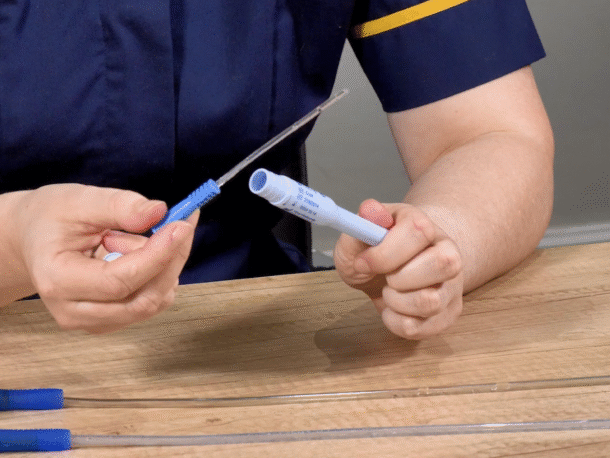
Guide to self-catheterising
Discover helpful tips for living with ISC, along with answers to common questions and concerns.
Bladder Diary
Track daily activities, fluid intake and bathroom visits with our free downloadable bladdery diary.

Your guide to catheter bags
Discover how to use, change and care for catheter bags. Get expert advice, step-by-step instructions, and explore our product range.