



Bladder cancer is the 11th most common cancer in the UK.1 In this page, we will cover common symptoms of bladder cancer for men and women, the risk factors and when to seek medical help. We will also touch on what diagnosis methods a healthcare professional may use and the available treatment options for bladder cancer.
Note to readers: According to research from AgeUK, the word “pee” is generally preferred, so we’ve used it consistently throughout this page.
What is bladder cancer?
Bladder cancer is when abnormal cells grow uncontrollably in the bladder lining. These cells can spread to the bladder muscles and other parts of the body.
Approximately 10,500 people are diagnosed with bladder cancer each year in the UK. This makes bladder cancer the 11th most common cancer in the UK, and the 7th most common cancer in men.1
Bladder cancer is more common in men than women, and is more common in older adults (aged 75+) as the cancer can take a while to develop.

Bladder cancer symptoms
If you have bladder cancer, you may experience:
Blood in your pee
Considered the main symptom of bladder cancer. The blood can be red, pink or dark brown in appearance.
Urgency
Feeling a sudden, strong urge to pee.
Frequency
A need to pee more than usual, even if you have recently been to the toilet.
UTIs
Experiencing frequent Urinary Tract Infections.
Bladder cancer symptoms in men
• Difficulty peeing or having a weak flow of pee: This could be a symptom if a tumour is pressing against the prostate area
• Pain in the pelvis or genital area
Bladder cancer symptoms in women
• Pelvic pain: This can feel similar to menstrual pain
• Blood in your pee: This can be mistaken for menstrual bleeding or a Urinary Tract Infection which is more common in women than men
Bladder cancer causes
The cause of bladder cancer isn’t always known, but you may be at a higher risk if:
You are over the age of 60
You smoke or use chewing tobacco – around half of all bladder cancers are caused by smoking2
You have worked with chemicals – carbon, crude oil, dyes, paints or textiles
You have had previous pelvic cancer treatment, e.g. radiotherapy
A close relative has had bladder cancer
Having these risk factors doesn’t mean you are going to get bladder cancer. In fact, people with no risk factors can still get bladder cancer.

Bladder cancer and overlapping conditions
Bladder cancer can be difficult to diagnose, as its symptoms overlap with those of other conditions. Your healthcare professional may need to carry out extra tests and scans to give you a definite diagnosis.
Scroll across the table below to view all columns.
| Condition | Symptoms | Overlapping symptoms | Key differences |
|---|---|---|---|
| Urinary Tract Infections (UTIs) | • Sudden, strong urge to pee • Needing to pee more than usual • Burning/stinging sensation when peeing • Changes to your pee: unpleasant, strong smell and a darker, cloudier appearance | • Sudden, strong urge to pee • Needing to pee more than usual • Burning/stinging sensation when peeing • Blood in your pee | UTI symptoms will improve with antibiotics. Bladder cancer will need more specialist long-term treatment. UTIs are caused by bacteria, whereas bladder cancer is caused by the abnormal growth of cells. |
| Overactive Bladder (OAB) | • Sudden, strong urge to pee • Waking up in the night to pee (nocturia) • Leakage • Needing to pee more than usual | • Sudden, strong urge to pee • Needing to pee more than usual | Overactive bladder does not usually cause pain or blood in your pee. Overactive bladder is caused by the overactivity of bladder muscles rather than the growth of cells in bladder cancer cases. |
| Prostatitis | • Pain in your genitals or bottom • Stinging/burning sensation when peeing • Needing to pee more than usual • Difficulty peeing | • Stinging/burning sensation when peeing • Needing to pee more than usual | Prostatitis only affects men and can cause difficulty peeing and a weak stream of pee, which are less typical symptoms of bladder cancer. |
| Bladder stones | • Pain when peeing • Lower tummy or genital pain • Difficulty peeing • Needing to pee more than usual • Blood in your pee | • Pain when peeing • Needing to pee more than usual • Blood in your pee | Bladder cancer usually has more continuous symptoms, whereas bladder stones often only cause pain when you are peeing, or after you have finished. |
Bladder cancer diagnosis
The main way to diagnose bladder cancer is through a cystoscopy. This is a procedure where a small camera is passed into the bladder to examine the bladder and collect a cell sample for testing (biopsy). Sometimes you can get the results of your biopsy on the same day, other times you may have to wait a few days.
Your healthcare professional may conduct further tests or scans to find out how big the cancer is, what type of cancer you have and if it has spread (to determine the stage of cancer you have). These additional tests could include:
- An ultrasound scan, MRI scan or CT scan – To help detect tumours, assess their size and examine other organs to check for spreading
- Blood tests – To look for abnormalities in kidney function and check blood cell count
- A bone scan – To identify any changes in the bones and to see if the bladder cancer has spread
Bladder cancer stages
When you have been diagnosed with bladder cancer, your healthcare professional will use the TNM (tumour, nodes, metastasis) method to define what stage your bladder cancer is at. Your stage will help you and your healthcare professional understand how far into the bladder the cancer has grown and if it has spread to other areas.
The stages range from very early cancers that are on the surface of the bladder (Ta and CIS stages) to more advanced cases where the cancer has grown elsewhere, (T2 –T4 stages).
For more information on the different stages of bladder cancer, visit Cancer Research UK.

Bladder cancer treatment options
The treatment approach for bladder cancer is not standardised for everyone. The treatment you are offered will depend on how large the cancer is, where it is, your general health and what stage cancer you have. You may be offered one or a combination of the following treatment options:
Surgery
Surgery is the main treatment for bladder cancer. Surgery is used to remove the cancer from the bladder and any other areas the cancer may have spread to. Your surgery can vary in complexity, from part of your bladder being removed, or all of your bladder (also known as a cystectomy).
Chemotherapy
Chemotherapy destroys the cancer cells by disrupting their growth to avoid progression. Chemotherapy for bladder cancer can be given directly into the bladder or through your veins. This treatment can cause unpleasant side effects such as hair loss and fatigue, but it is an effective in killing cancer cells. You may be offered chemotherapy:
- Before you have surgery or radiotherapy
- Whilst you’re also having radiotherapy (chemoradiotherapy)
- After surgery to stop the cancer returning
Radiotherapy
Radiotherapy works by killing cancer cells through radiation. You may be offered radiotherapy as a treatment method instead of surgery if your cancer has spread to other areas of the body. Like chemotherapy, radiotherapy can cause unpleasant side effects, such as tiredness and skin reactions.
Bladder cancer and urinary issues
Bladder cancer can cause urinary problems, such as trouble peeing, pain when peeing, needing to pee more than usual and feeling a sudden, strong urge to pee.
After treatment, especially if you have had surgery to remove part or all of your bladder (cystectomy), your body may not be able to store or pass pee in the usual way. In these cases, you may need a continence product or a urostomy to help remove pee from your body.
A urostomy, is an opening created surgically in the tummy to redirect pee into a stoma bag.

Living with bladder cancer
Living with bladder cancer can be challenging, both physically and emotionally.
After a diagnosis, it is common to experience feelings of anxiety, fear and uncertainty. You may find yourself worrying about your health or what the future might look like. It can be an overwhelming time, naturally you may feel less motivated to go out, spend time with friends, or take part in social activities.
Hospital appointments and treatments such as chemotherapy and radiotherapy, can leave you feeling extremely tired and fatigued. Your change in energy levels can make everyday activities more difficult than usual. Simple tasks cam feel unmanageable.
It’s important to remember that you are not alone, many people are diagnosed with bladder cancer every year. Get help and support from your friends, family, support groups and your team of healthcare professionals. There are local charities that specialise in bladder health and cancer that can help you through your cancer journey:
When to seek help
Seeking help early can make a big difference to your treatment and overall cancer journey.
If you have blood in your pee, feel a burning/stinting sensation when you pee or need to go more than usual, speak to a healthcare professional. Your healthcare professional can help with getting a diagnosis and giving you a tailored treatment plan. These symptoms do not always mean you have bladder cancer, there are other conditions that share the same symptoms, but it is important to rule out and identify the cause as early as possible.
Key takeaways
Bladder cancer is common in the UK, affecting older adults and men
Blood in your pee is the most common symptom of bladder cancer
Bladder cancer symptoms can overlap with other conditions, e.g. Urinary Tract Infections (UTIs), bladder stones and Overactive Bladder (OAB)
Certain factors can increase your risk of bladder cancer, e.g. smoking and being over 75 years old
Diagnosis usually involves a cystoscopy, alongside scans and tests to determine the stage of the cancer
Treatment for bladder cancer can vary from person to person, including surgery, chemotherapy and radiotherapy
References
- Cancer Research UK, What is Bladder Cancer? [website]: https://www.cancerresearchuk.org/about-cancer/bladder-cancer/about (accessed 10 March 2026)
- Cancer Research UK, Risks and Causes of Bladder Cancer [website]: https://www.cancerresearchuk.org/about-cancer/bladder-cancer/risks-causes (accessed 10 March 2026)
- Cancer Research UK, Survival For Bladder Cancer [website]: https://www.cancerresearchuk.org/about-cancer/bladder-cancer/survival (accessed 10 March 2026)
Frequently asked questions
Bladder cancel is likely to be curable if you are diagnosed and get treatment early on. There are factors that influence the success of your treatment, such as how advanced the cancer is, the size of the cancer and if it has spread to other areas of the body.
Cancer Research UK reports that bladder cancer survival rates in the UK are positive for many adults. Over 70% of people survive for at least one year, around 50% survive for five years or more, and more than 40% live for ten years or longer.3
Bladder cancer is not considered hereditary but there are some links to bladder cancer from family history. If you have a close relative who has had bladder cancer, this does slightly increase your risk.
Yes. Even if you have surgery to remove your bladder (cystectomy), there is still a chance the cancer can return. This is because the cancer cells have already spread to other areas of the body. Your cancer returning is more likely in people with higher‑stage, more advanced bladder cancer.
Bladder cancer can’t be identified through blood tests, but the blood test can help identify abnormalities. A healthcare professional would use a blood examine your kidney function and to check blood cell numbers.
Bladder cancer most commonly spreads to nearby lymph nodes in the pelvis and nearby organs, such as the lungs and liver. It can also spread to the prostate or uterus.
You can detect bladder cancer with a urine test, but it is likely that your healthcare professional would conduct further tests before giving you a definite diagnosis. These additional tests could include a cystoscopy (a camera that is inserted into the bladder), an ultrasound scan, blood tests or other more advanced tests.
Support and resources
Find lots of helpful tips for living with incontinence in our resource library.

Common causes of incontinence
Discover what causes each type of urinary incontinence and how they affect both men and women.
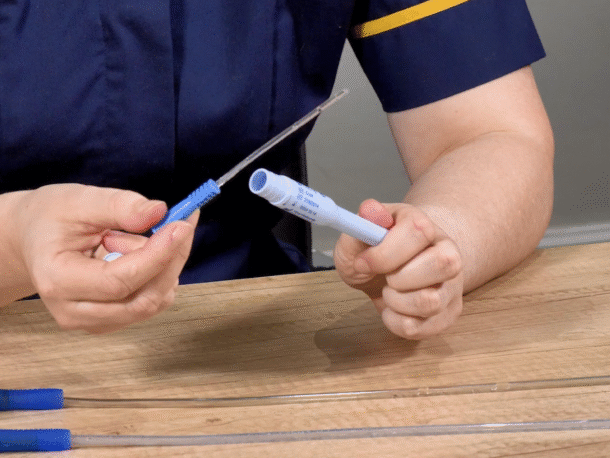
Guide to self-catheterising
Discover helpful tips for living with ISC, along with answers to common questions and concerns.

Bladder Diary
Track daily activities, fluid intake and bathroom visits with our free downloadable bladdery diary.

Your guide to catheter bags
Discover how to use, change and care for catheter bags. Get expert advice, step-by-step instructions, and explore our product range.