

Nutritional Advice for Ileostomates
Over time the small intestine adapts and your stoma output should thicken (up to a porridge-like consistency) and reduce to around 400-800ml (4-5 bag changes per day)so that you are able to manage a normal diet. Make sure you eat regularly as this helps to regulate stoma function. Occasionally, some people have continuing problems with stool frequency or consistency in which case you may need to take medication to control it.
Fluid intake
Although a good fluid intake is an important part of any healthy diet it is particularly important if you have an ileostomy. In order to prevent dehydration you should try to drink 8-10 cups of fluid a day. Avoid or restrict alcohol as this is dehydrating. As salt losses are very high it is also important to take extra salt. If you take part in vigorous physical exercise such as competitive sport or if the weather is very hot you will need to take extra care to drink enough fluid and to further increase your salt intake. Isotonic drinks such as Lucozade Sport can be useful for ileostomists if taken with salty snacks such as crisps.
NB if your stoma output is high (more than 1litre), or you are sweating (through exercise or hot weather) then you may need to take additional fluids that contain salt. Speak to your dietitian or doctor for advice on what you should take.
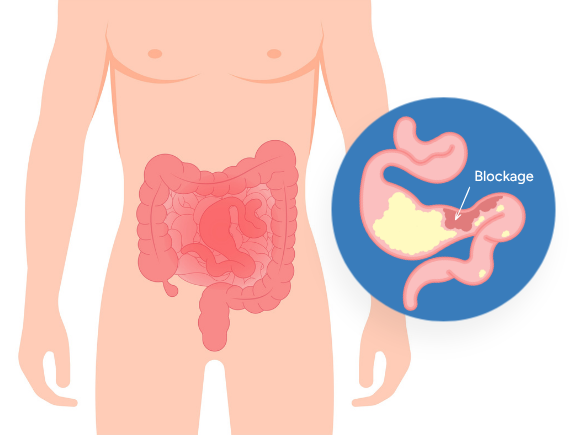
Blockage with undigested food residues can sometimes occur especially if the stoma is tight. A food blockage results in minimal watery or no output from the stoma. In most cases it will resolve spontaneously but if symptoms persist you should seek medical advice. For the first few weeks following surgery, and later if you experience repeated obstructions, you may be advised to modify your fibre/residue intake. For most ileostomates this is unnecessary and avoidance of a few foods most likely to cause blockage is sufficient to prevent problems e.g. sweetcorn, fruit and vegetable skins and pips, nuts, seeds, coconut, muesli, wholegrains, dried fruits, fibrous fruits and vegetables such as celery, bamboo shoots, pineapple and mango. It is also very important to chew all food thoroughly, especially meat and high fibre foods.
Other nutritional advice sections available:-